They Claimed They Were “Good Samaritans.” Police Say the Truth Was Much Darker
Two young women went out for a night in Los Angeles and never made it home. After Christy Giles and Hilda Marcela Cabrales-Arzola were left at separate hospitals by the same masked men, investigators uncovered a chilling trail of surveillance footage, phone data, toxicology reports, and survivor testimony that helped convict David Pearce of murder and sexual assault.
 Marie NovakMarie Novak is a crime news writer for Crimehowl, covering true crime, missing persons cases, court updates, and stories that leave communities searching for answers. She focuses on writing with empathy, clarity, and a deep respect for victims and their families while encouraging readers to think critically about the cases that shape the headlines.
PUBLISHED JUN 21, 2026 · 14:13 | 7 MIN READ | FILED UNDER SOLVED CASES

This story was originally reported in 2025 and updated with sentencing information in 2026.
There are some cases that stay with you because of the brutality. Others stay with you because of the questions they leave behind.
The deaths of 24-year-old Christy Giles and 26-year-old Hilda Marcela Cabrales-Arzola have both.
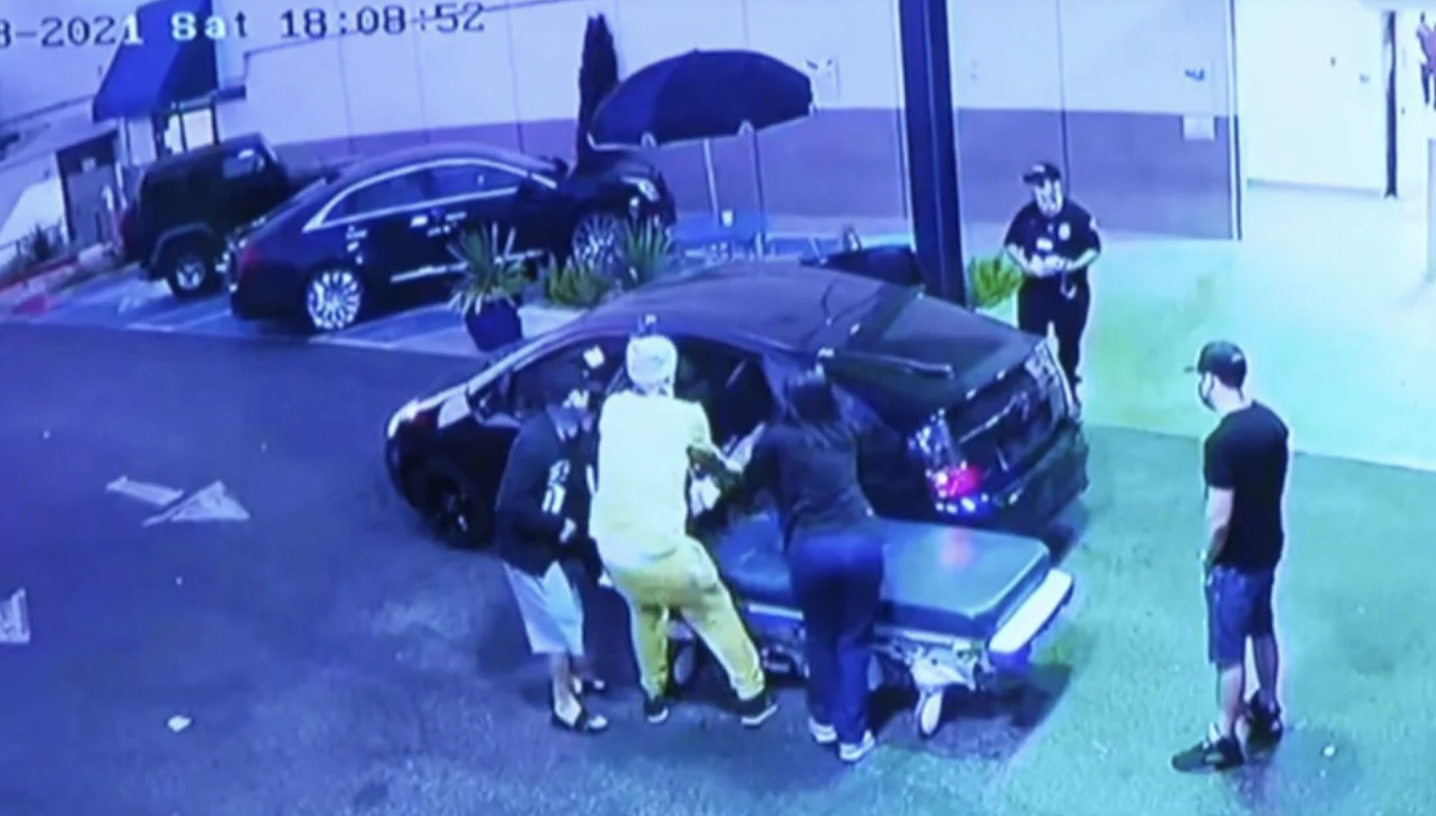
Two young women went out for what should have been a fun night in Los Angeles. Hours later, both were dropped off at separate hospitals by the same two men, in the same black Prius, with no license plates visible. The men did not leave their names. They did not leave phone numbers. They claimed they were just “good Samaritans.”
Investigators quickly realized the story did not add up.
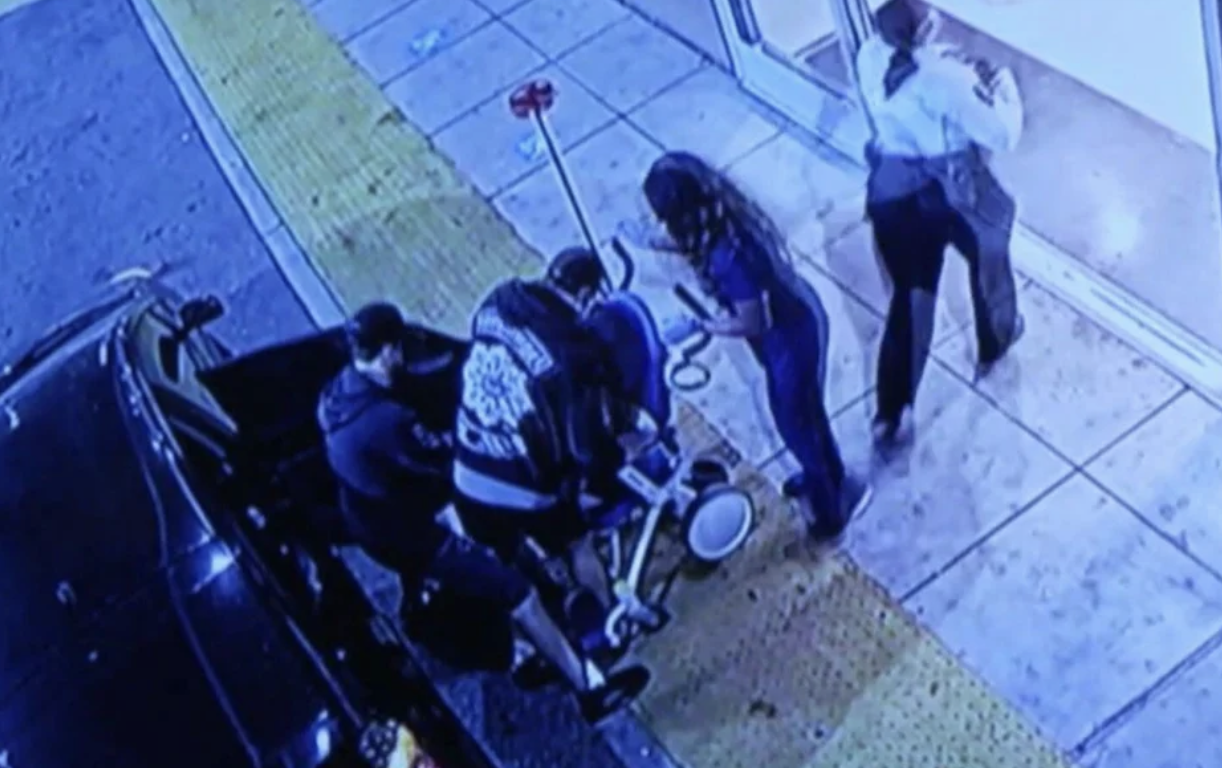
Christy was already dead when she was brought to Southern California Hospital in November 2021. Roughly two hours later, Hilda was left at another hospital just two miles away. She was still alive, but barely. She was placed on life support and fought for two weeks before her family made the devastating decision to let her go.
What followed was a years-long investigation that would eventually lead to the conviction of David Pearce, a Los Angeles man accused by prosecutors of drugging, sexually assaulting, and killing the two women.
But this case was not solved by one piece of evidence alone. It was solved through digital clues, surveillance footage, toxicology reports, grieving families who refused to stop asking questions, and survivors who came forward to say: this happened to me, too.
A Night Out That Turned Deadly

Christy Giles was a model and aspiring interior designer. She had traveled the world, built a life in Los Angeles, and was remembered by her husband, Jan Cilliers, as bright, adventurous, and deeply loved.
Hilda Marcela Cabrales-Arzola had recently moved to Los Angeles from Mexico for her dream job as an architect. Her family described her as intelligent, outgoing, full of ambition, and happy to be alive.
On the night everything changed, Christy and Hilda had gone out together. They started at Soho House and later attended a warehouse party. According to the investigation, that is where they met David Pearce for the first time.
Christy’s husband was out of town at the time, but after her death, he began piecing together her final hours through her phone, messages, and shared location data. That digital trail led investigators to an apartment on West Olympic Boulevard.
One of the most haunting details in the case was a text Christy sent Hilda from inside the residence.
“Let’s go.”
Hilda replied that she would call an Uber.
The Uber arrived. It waited. Then it left without them.
That was the last known message either woman sent.
The Apartment, the Prius, and the Evidence Police Found
Detectives later went to the apartment connected to David Pearce. They found the black Prius seen at both hospitals. Investigators also said Pearce initially denied owning the vehicle before later admitting it was his.
Inside the apartment, police noticed details that raised more questions. Beds had reportedly been stripped. A washing machine appeared to have been recently used. Detectives also found baggies they believed were consistent with narcotics packaging.
Surveillance footage became crucial.
Police said cameras showed Christy and Hilda arriving at Pearce’s apartment with Pearce, his roommate Brandt Osborn, and Michael Ansbach. The women were not seen leaving on their own.
Hours later, cameras captured Pearce and Osborn carrying the women out.
Christy was taken to one hospital. Hilda was taken to another.
Neither Pearce, Osborn, nor Ansbach called 911 during the long stretch of time when investigators believe the women were in medical distress.
That detail has devastated Hilda’s family. According to the investigation, a downstairs neighbor heard someone moaning in pain for hours. Police believe that person may have been Hilda.
Her mother, a doctor, later said what so many people reading this case have probably wondered: why didn’t anyone help her?
Toxicology Reports Raised More Questions
Christy’s autopsy found ketamine, cocaine, fentanyl, and GHB in her system. GHB is widely known as a date-rape drug.
Hilda’s toxicology report showed cocaine, MDMA, and elevated fentanyl levels.
The defense argued that the women had used drugs recreationally that night and that Pearce did not kill them. But prosecutors said this was not a tragic accident or a case of two women simply making a dangerous choice.
They argued Pearce gave the women fentanyl and GHB, incapacitated them, and sexually assaulted them.
Because Christy and Hilda could not testify, prosecutors needed to show the jury who they believed Pearce really was and whether there was a pattern.
That is when other women came forward.
Survivors Said There Was a Pattern
After Christy and Hilda’s deaths, authorities publicly asked anyone with information about David Pearce to contact investigators.
According to detectives, the calls began coming in.
In total, 20 women came forward. Pearce was ultimately charged with sexual assaults involving seven Jane Does.
One woman, identified publicly only as Jackie, said she met Pearce in 2010 while looking for a room to rent. She said he offered her a drink at his apartment. After drinking it, she became dizzy and disoriented. She later testified that Pearce attacked her and that she had to fight to escape.
She did not report it at the time, something many sexual assault survivors understand all too well. Fear, shame, trauma, and the stigma surrounding sexual assault keep countless victims silent.
But when Jackie heard about Christy and Hilda, she decided to speak.
At trial, survivor after survivor described similar allegations: drinks, drugs, disorientation, and sexual assault.
Their testimony became a major part of the prosecution’s case.
The Trial of David Pearce
Opening arguments began in January 2025.
Prosecutors described Pearce as a predator who used drugs to incapacitate women. They said he did not care whether Christy and Hilda lived or died.
The defense pushed back, arguing there was not enough evidence to prove Pearce gave the women the fatal drugs or committed murder. Pearce pleaded not guilty.
Michael Ansbach, who was inside the apartment that night, later cooperated with investigators. He claimed Pearce had offered the women what he called “special cocaine” and said he also became violently ill after using it. Ansbach testified that when he later woke up, Christy appeared to have no signs of life and Hilda was in Pearce’s bedroom.
According to Ansbach, Pearce repeatedly said, “dead girls don’t talk.”
That phrase became one of the most chilling parts of the case.
Pearce took the stand in his own defense, against the advice of his attorney. Osborn also testified, saying he did not understand the full situation and did not believe he was part of a cover-up.
Christy’s family did not believe him. They argued Osborn helped move the women, helped delay medical care, and helped hide what had happened.
The Verdict
On February 4, 2025, after two days of deliberations, the jury found David Pearce guilty of first-degree murder in the deaths of Christy Giles and Hilda Marcela Cabrales-Arzola.
He was also convicted of all seven sexual assaults involving the Jane Does.
For the survivors, the verdict was more than a legal outcome. It was validation. It meant they had been heard. It meant the jury believed them.
For Christy and Hilda’s families, it was relief, but not peace. Nothing could bring their daughters back.
The jury could not reach a verdict on Brandt Osborn, and a mistrial was declared in his case. That part of the outcome deeply upset the families, who believed he should have been held more accountable for what happened after the women became critically ill.
In October 2025, David Pearce was sentenced to 146 years to life for the murders and sexual assaults.
In November 2025, Brandt Osborn pleaded no contest to two counts of accessory after the fact. He was sentenced to two years of formal probation and 480 hours of community service.
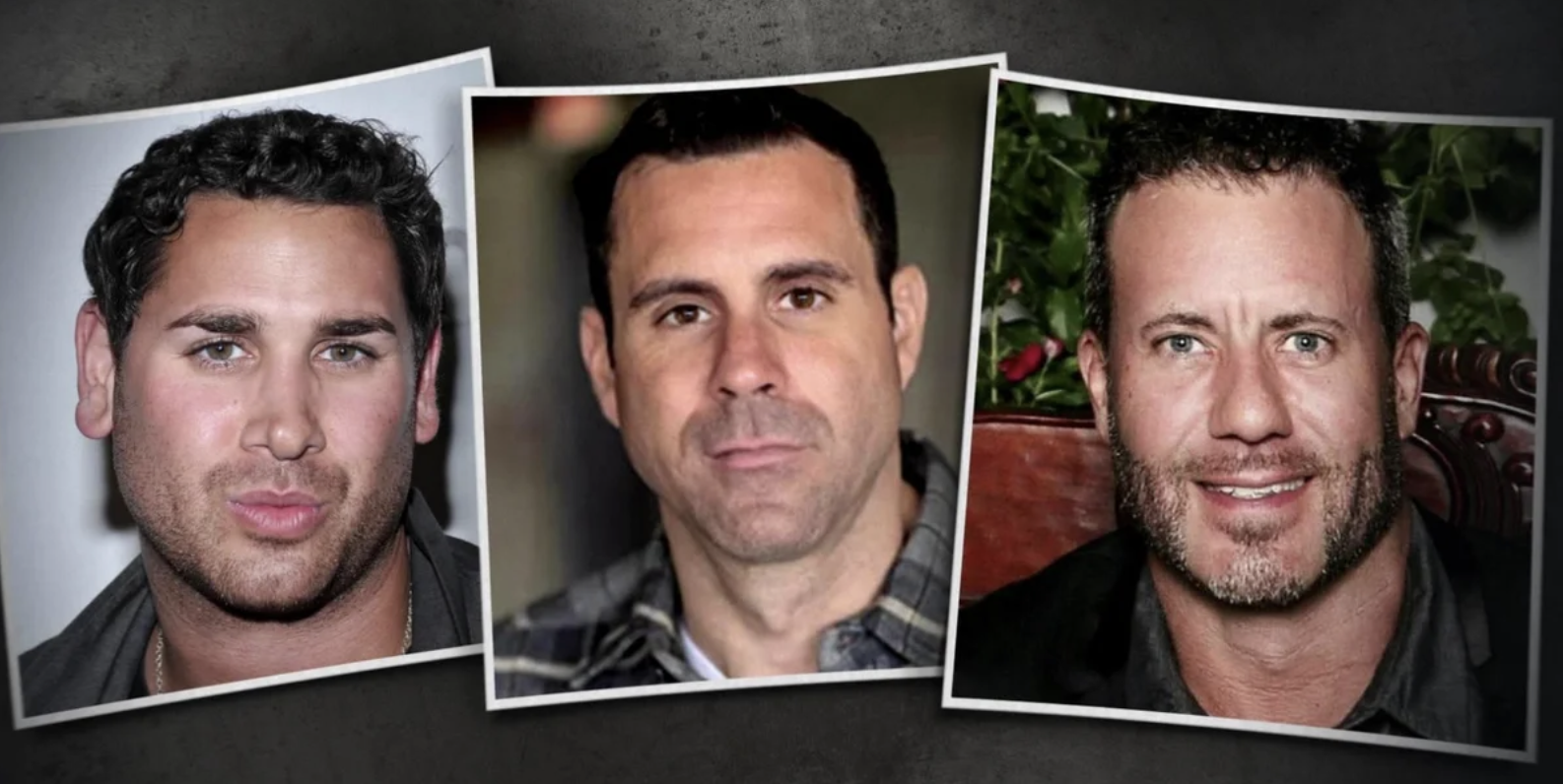
Two Families Left With an Unfillable Space
One of the most heartbreaking parts of this case is how loved Christy and Hilda were.
Christy’s husband remembered her as a bright, beautiful soul. Hilda’s sister described her as funny, intelligent, ambitious, and full of dreams.
These were not just names in a criminal case. They were daughters, sisters, friends, partners, and women who had entire futures ahead of them.
Their families also want others to learn from this case. Christy’s shared location helped reconstruct her final hours and led investigators to the apartment where police believe the women were last conscious.
It is an uncomfortable thing to think about, but it is worth discussing: in a world where we value privacy, should more families and close friends consider sharing locations during nights out?
This case also raises another difficult question. When someone is clearly in distress, how much responsibility should the people around them have to call for help immediately?
Christy and Hilda cannot speak for themselves. But their phones, their bodies, the surveillance footage, and the survivors who came forward helped tell the story.
And because those survivors found the courage to speak, David Pearce will likely spend the rest of his life behind bars.
What do you think? Should the law be tougher on people who delay medical help in overdose or assault cases? And do you think location-sharing is something more friends should normalize when going out at night?
If you or someone you know has experienced sexual assault, help is available. You can call the National Sexual Assault Hotline at 800-656-4673 or visit RAINN.org.