A Newborn Was Found in the Trash. 16 Years Later, a Costco Receipt Helped Lead Police to Her Mother
A newborn baby found dead in a Union City dumpster in 2009 was named Matea Esperanza by police who refused to forget her. More than 16 years later, advanced DNA testing and evidence including a Costco receipt helped investigators connect the case to Angela Beth Onduto, the baby’s mother, who was sentenced to six years in prison.
 Marie NovakMarie Novak is a crime news writer for Crimehowl, covering true crime, missing persons cases, court updates, and stories that leave communities searching for answers. She focuses on writing with empathy, clarity, and a deep respect for victims and their families while encouraging readers to think critically about the cases that shape the headlines.
PUBLISHED JUL 07, 2026 · 06:00 | 5 MIN READ | FILED UNDER SOLVED CASES
For more than 16 years, a newborn baby girl found dead in a California dumpster had no official identity, no known family, and no justice.
Union City police officers gave her a name: Matea Esperanza.
Matea means “gift from God.” Esperanza means “hope.”
It was a heartbreaking name for a baby whose life ended almost as soon as it began.
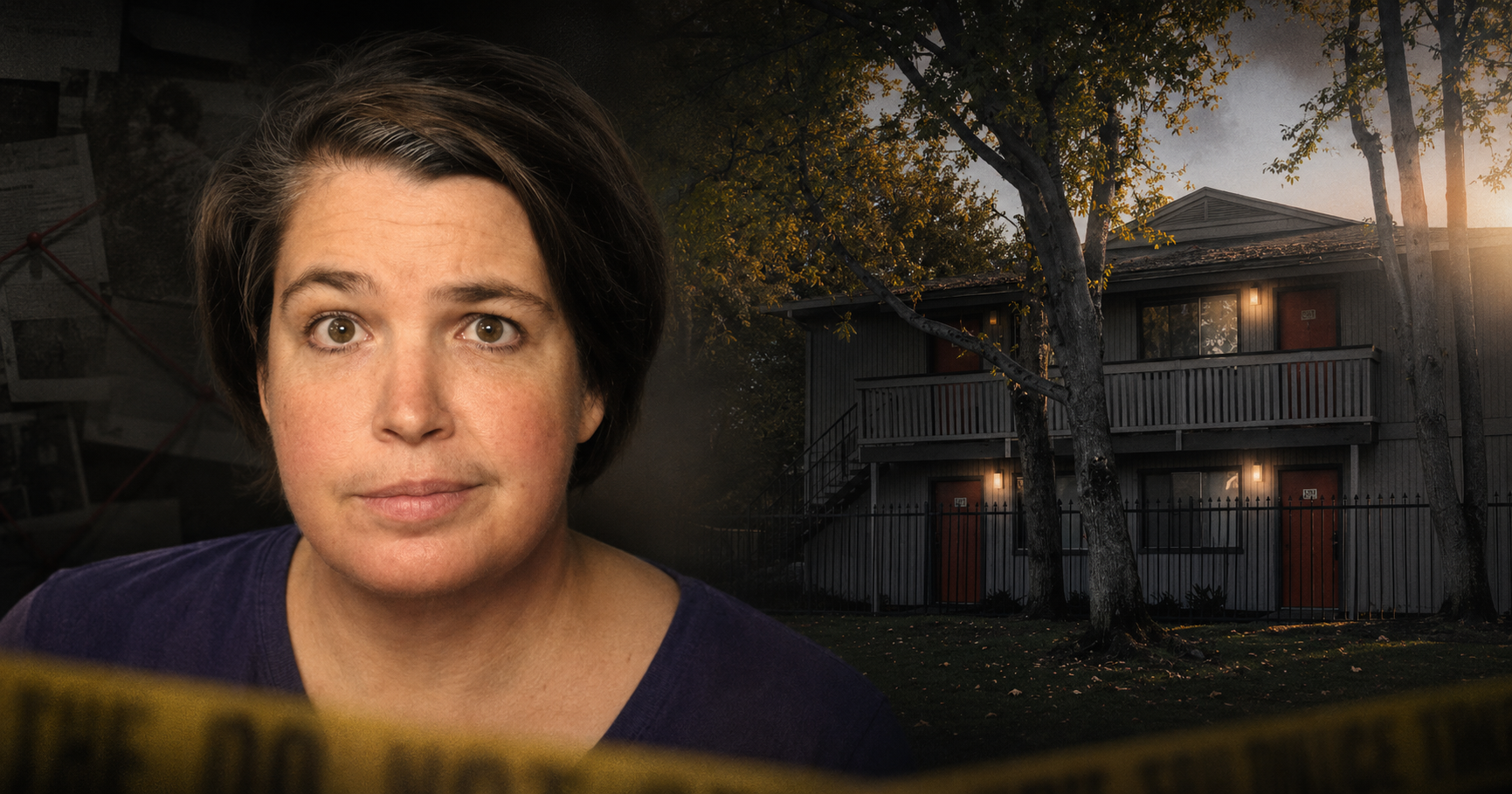
In 2009, a man searching for recyclables found the infant’s body in a dumpster outside the Parkside Apartments on Decoto Road in Union City, California. The baby was discovered among bloody clothing, and nearby evidence included something that would eventually matter years later: a Costco receipt.
At the time, investigators had few answers. Who was the baby? Who left her there? Was her mother alive? Was she scared? Was someone else involved?
For years, the case remained open.
Then advances in DNA testing helped police identify the baby’s mother as Angela Beth Onduto, who had moved to Colorado and lived free for more than a decade after the infant’s death.
Onduto, now 47, was sentenced to six years in prison after pleading no contest in connection with the killing of her newborn daughter.
A Baby Found in a Dumpster
Matea Esperanza would have been 17 years old this year.
Instead, she became the center of a cold case that haunted Union City police for years.
According to prosecutors, Onduto gave birth in 2009 and then drowned the newborn in a bathtub inside her apartment. Authorities said the baby’s body was later abandoned in a trash bin outside the apartment building.
Onduto was about 30 years old at the time.
The discovery devastated officers who responded to the scene. Because the baby’s identity was unknown, police named her themselves. Over the years, they continued to remember her, hold memorials, and keep her case alive.
The Union City Police Officers’ Association even purchased a permanent memorial marker for Matea.
That detail says a lot. To the public, she may have been a brief news story in 2009. But to the officers who found her and continued investigating, she became part of their department’s history.
Police later said she was part of the UCPD family and would not be forgotten.
The Receipt That Stayed With the Case
One of the most important pieces of evidence found near the baby was a Costco receipt.
At the time, it was not enough to solve the case by itself. But years later, that receipt reportedly helped connect Onduto to the location where Matea’s body was found.
That is what makes cold cases so fascinating and frustrating at the same time.
Sometimes the evidence is there from the beginning, but technology, timing, or missing information prevents investigators from fully understanding it. A receipt that may have seemed like one clue among many eventually became part of a much bigger picture.
Still, the major breakthrough came through DNA.
Union City police said advanced DNA analysis of evidence collected in 2009 helped investigators identify a potential suspect. Further DNA comparison confirmed Onduto’s identity and genetically linked her to the baby.
Police said Onduto had been identified as a person of interest during the early stages of the original investigation, but it took modern forensic testing to finally move the case forward.
Arrested in Colorado Years Later
Onduto was arrested in July after investigators tracked her to Colorado, where she had been living outside Denver.
By then, more than 16 years had passed since Matea was found in that dumpster.
For more than a decade and a half, Onduto had lived her life while the baby she was accused of killing was remembered by police officers who refused to let the case disappear.
That part is difficult to process.
A child who never got to grow up was being honored year after year by strangers, while the person accused of being responsible was living in another state.
Onduto later pleaded no contest in late April and was sentenced to six years in prison. Reports said she received credit for time already served in jail, along with good behavior credit.
According to a charging document cited by local reporting, police alleged that Onduto expressed no remorse.
A Case That Raises Painful Questions
This case is not only about DNA, a receipt, and a delayed arrest. It is also about a newborn baby whose life mattered.
Matea Esperanza never got a first birthday. She never got a childhood. She never got to become the 17-year-old girl she would have been today.
Her case also raises hard questions about newborn abandonment, hidden pregnancies, and what resources are available for desperate parents before a tragedy happens.
California, like many states, has safe surrender laws that allow a parent to legally and safely surrender a newborn at certain locations without facing prosecution, as long as the baby has not been abused or neglected. Those laws exist to prevent exactly this kind of tragedy.
But Matea was not safely surrendered.
She was found in the trash.
That is the detail that still makes this case so hard to read, even after the sentencing. A baby who could have been handed to someone safely was instead left in a dumpster, and it took more than 16 years for someone to be held accountable.
Justice After 16 Years
For Union City police, the sentencing marks an ending of sorts. But it is not the kind of ending anyone would call satisfying.
Matea’s life was still stolen. Her identity was built by the officers who loved her enough to name her. Her memory was kept alive by people who refused to let her become just another unsolved case.
And in the end, it was old evidence, a receipt, and new DNA technology that helped bring investigators back to the woman they say was her mother.
What do you think about the sentence in this case? Is six years enough for the death of a newborn, even after a no contest plea? And should safe surrender laws be more widely promoted so desperate parents know there is another option?