Everyone Thinks They Know Who Did It—Yet These 3 Infamous American Murders Were Never Solved
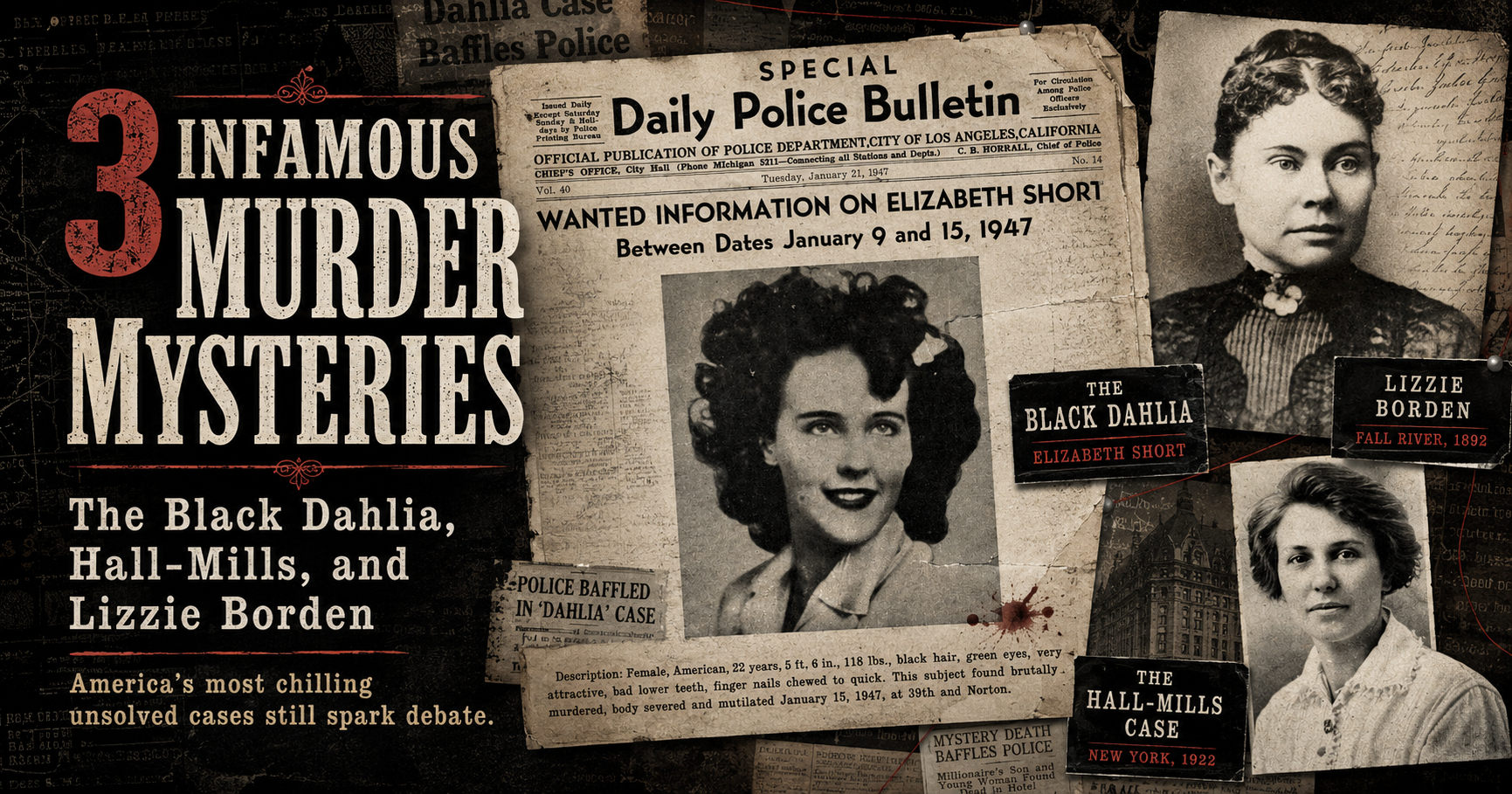
The Black Dahlia, the Hall-Mills murders and the Lizzie Borden case became part of American folklore, producing famous suspects, sensational trials and endless theories. Yet beneath the headlines, all three cases share one haunting truth: no one was ever legally proven to be the killer.
 Marie NovakMarie Novak is a crime news writer for Crimehowl, covering true crime, missing persons cases, court updates, and stories that leave communities searching for answers. She focuses on writing with empathy, clarity, and a deep respect for victims and their families while encouraging readers to think critically about the cases that shape the headlines.
PUBLISHED AUG 02, 2026 · 06:00 | 13 MIN READ | LONG READ | FILED UNDER UNSOLVED CASES
***Content warning: This article discusses murder, mutilation and graphic crime-scene details.
Some murder cases disappear from public memory almost as quickly as they enter the headlines.
Others refuse to die.
The victims become symbols, suspects become legends and rumors are repeated so often that they eventually sound like established facts. Before long, the public believes it knows exactly who committed the crime, even when detectives, prosecutors and juries were never able to prove it.
Few cases demonstrate that phenomenon better than the murder of Elizabeth Short, the scandalous Hall-Mills double homicide and the axe killings forever associated with Lizzie Borden.
The crimes occurred in different cities and different decades, but they followed disturbingly similar paths. Each became a national media sensation. Each generated suspects who seemed obviously guilty to many observers. Each was damaged by questionable investigative decisions, unreliable witnesses or compromised evidence.
Most importantly, each remains officially unresolved.
The Black Dahlia: A Young Woman Turned Into a Hollywood Horror Story
On the morning of January 15, 1947, a mother walking with her young daughter through a Los Angeles neighborhood noticed what appeared to be a discarded mannequin lying near the sidewalk.
It was not a mannequin.
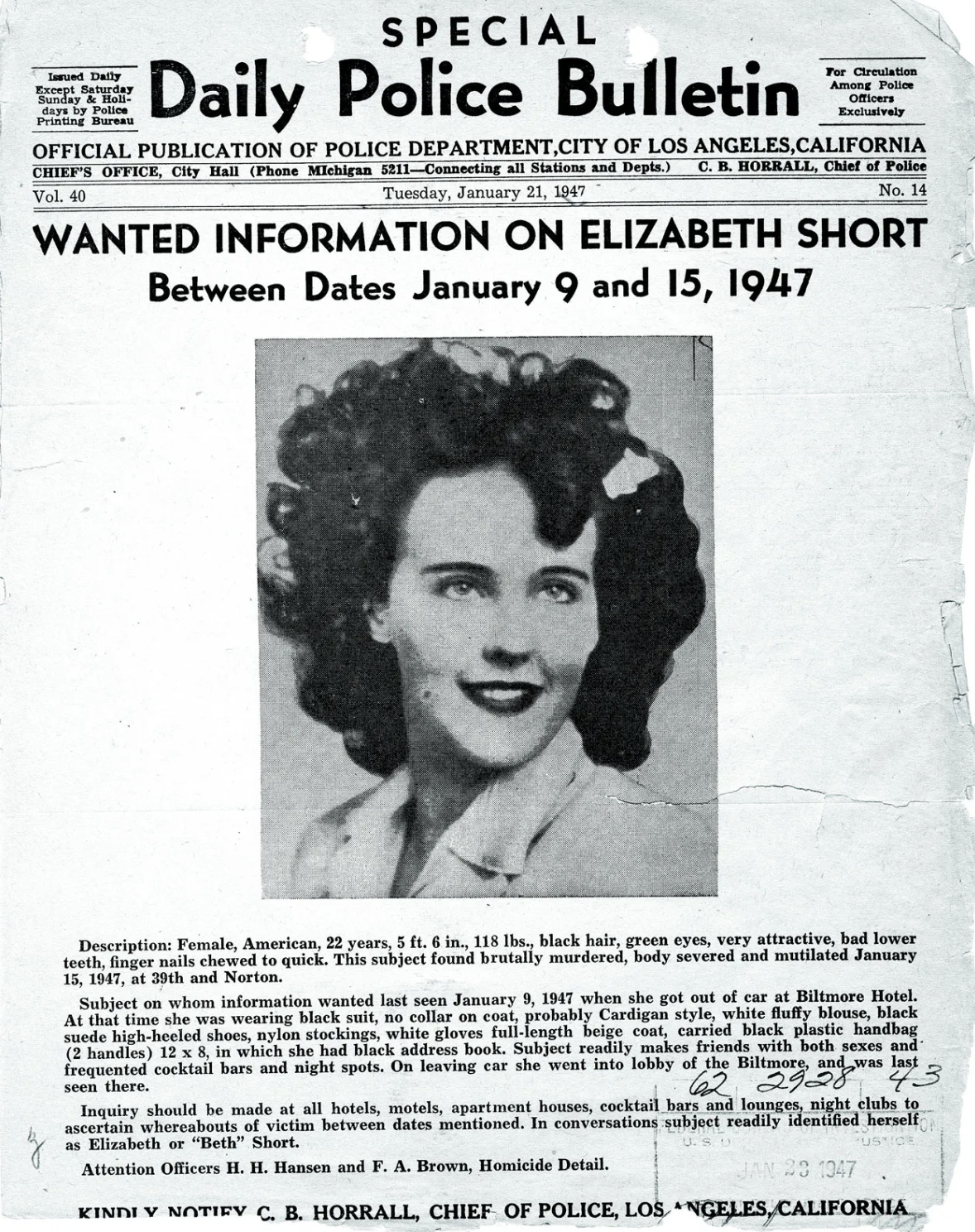
The remains belonged to 22-year-old Elizabeth Short.
Short’s body had been severed at the waist and carefully positioned in a vacant lot. Despite the severity of her injuries, investigators found no blood at the scene, strongly suggesting she had been killed somewhere else before her body was transported and displayed.
The discovery immediately triggered one of the most intense murder investigations Los Angeles had ever seen.
Investigators sent blurred copies of the victim’s fingerprints to the FBI using a Soundphoto machine, an early method of transmitting photographs electronically. The FBI identified Short only 56 minutes after receiving them.
Her fingerprints were already on file because she had applied for work at the Camp Cooke military base in 1943 and had later been arrested in Santa Barbara for underage drinking.
That minor arrest would soon become part of a far larger public dissection of her life.
The Press Created the “Black Dahlia”
Newspapers began calling Short the “Black Dahlia,” reportedly connecting her dark clothing and hair to the 1946 film noir The Blue Dahlia.
The nickname was unforgettable. Unfortunately, it also helped transform a murdered young woman into a fictional character.
Short was portrayed as an aspiring Hollywood actress, a mysterious party girl and a doomed beauty drifting through Los Angeles. Reports about her social life frequently received more attention than the fact that someone had tortured and murdered her.
As the case grew, it became difficult to separate the real Elizabeth Short from the character created by the press.
Even today, she is often introduced through the nickname invented after her death rather than by her own name.
The Killer May Have Contacted the Newspapers
The media frenzy became even more intense after newspapers and authorities began receiving letters from people claiming to know something about the murder.
At least one sender mailed an envelope containing personal belongings connected to Short. Investigators also asked the FBI to compare fingerprints found on an anonymous letter that may have come from the killer. No match was located in the Bureau’s files.
Some communications may have been genuine. Others were almost certainly written by people desperate for attention.
False confessions became another major problem. Numerous individuals claimed responsibility, forcing detectives to spend time attempting to separate useful information from hoaxes.
The real killer, assuming that person was among those who contacted the press, successfully disappeared into the noise.
Was the Black Dahlia Killer a Doctor?
The precise way Short’s body had been severed led investigators to consider whether the killer possessed medical, surgical or anatomical knowledge.
The FBI was asked to investigate students at the University of Southern California Medical School, while Los Angeles detectives examined doctors and other people believed capable of performing such precise mutilation.
One of the most famous suspects to emerge was Dr. George Hodel, a wealthy and socially connected Los Angeles physician.
Hodel was placed under police surveillance in 1950, and investigators secretly recorded conversations inside his home. One transcript reportedly captured him making an ambiguous reference to the Black Dahlia and saying that authorities could not prove anything against him.
He was never charged with Short’s murder.
Decades later, his son Steve Hodel, a retired Los Angeles homicide detective, publicly accused his father of being the killer. His claims inspired books, podcasts and connections to the television miniseries I Am the Night.
However, the theory remains disputed. Critics have questioned the interpretation of the handwriting, photographs and circumstantial connections used to build the case against George Hodel. No court or law enforcement agency has officially declared him Short’s killer.
A New Claim Emerged Nearly 80 Years Later
The Black Dahlia mystery continues to generate purported breakthroughs.
In July 2026, filmmakers working on an upcoming project titled Deconstructing Dahlia claimed they had found a hidden room inside an old Los Angeles motel where a major bloodshed event may have occurred.
The team said it had uncovered blood evidence and previously unavailable case files that allegedly point toward both a crime scene and a suspect. However, the filmmakers have not publicly established that the blood belonged to Elizabeth Short, and their conclusions have not been announced as an official solution by law enforcement.
The claim still faces the most important challenges in any cold case: authenticating the samples, establishing a reliable chain of custody, locating suitable comparison material and proving that the evidence is directly connected to Short’s murder.
Until that happens, the Black Dahlia murder remains exactly what the FBI calls it: unsolved.
The Hall-Mills Murders: Forbidden Love Beneath a Crabapple Tree
Twenty-five years before Elizabeth Short was found in Los Angeles, another scandalous murder captivated the nation.
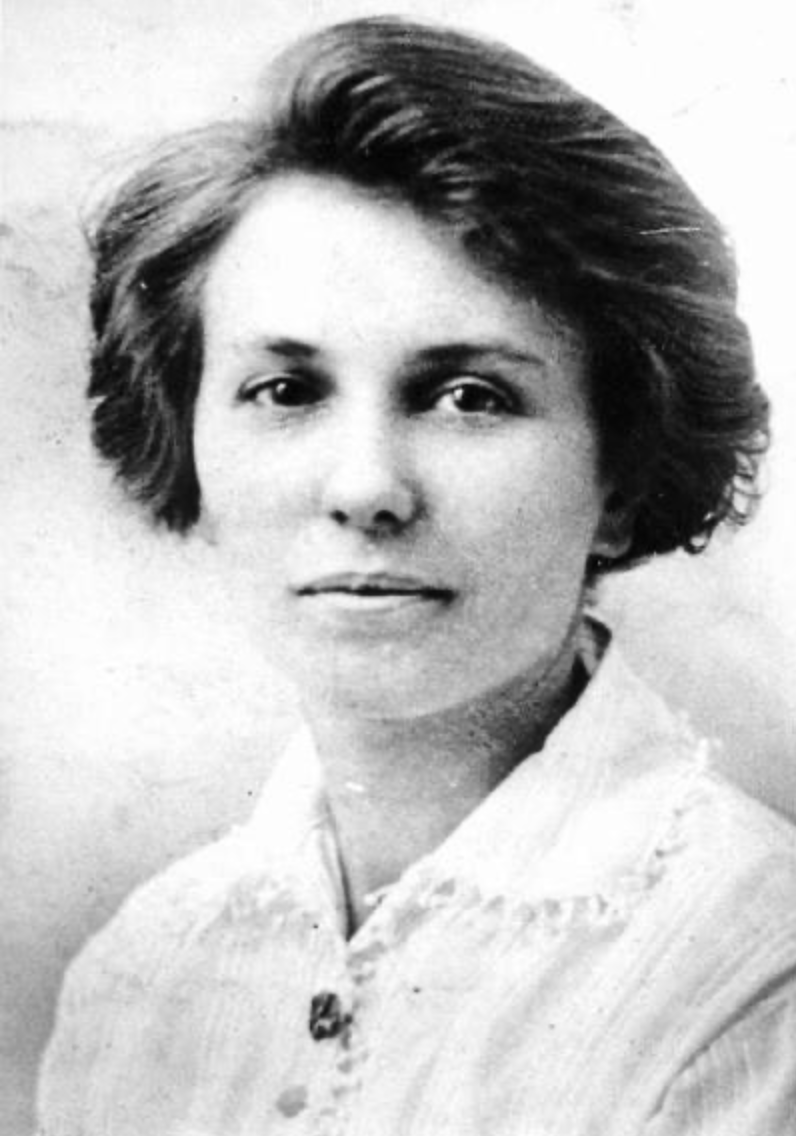
Edward Wheeler Hall was a prominent Episcopal minister in New Brunswick, New Jersey. Eleanor Mills was a married woman who sang in his church choir.
They were also having an affair.
On September 14, 1922, Hall and Mills left their respective homes to meet privately. Neither returned.
Two days later, their bodies were discovered in a secluded field beneath a crabapple tree.
The crime scene appeared almost theatrical.
Hall and Mills had been placed beside one another in a position suggesting intimacy. Torn love letters were scattered between their bodies, and Hall’s calling card was reportedly placed near his feet.
Hall had been shot once in the head. Mills had been shot three times and suffered a deep wound across her throat. When her body was exhumed during the reopened investigation four years later, another examination concluded that her tongue and vocal cords had also been removed.
The difference in violence was striking.
Hall had been killed. Mills appeared to have been punished.
An Affair That Was Apparently No Secret
The relationship between Hall and Mills seemed to have been widely suspected.
They exchanged love letters and reportedly met privately after choir practice. On the night they disappeared, witnesses saw them together near a bridge.
Both of their spouses claimed they had been unaware of the affair.
Investigators and newspaper reporters found that difficult to believe.
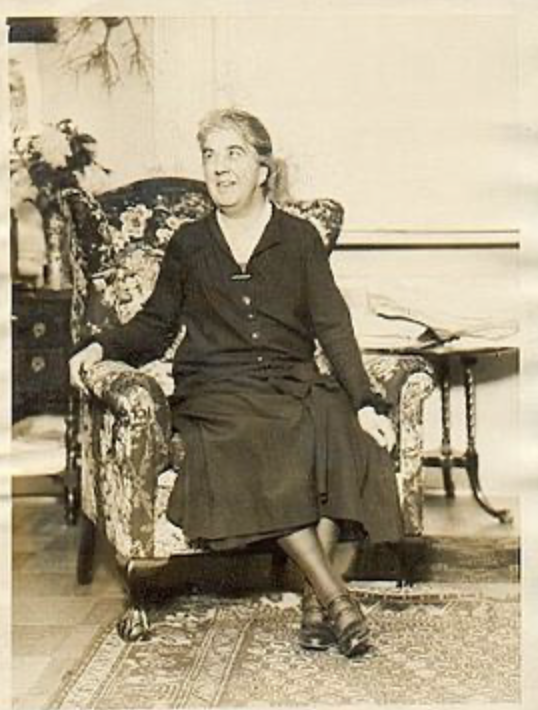
Suspicion quickly fell on Hall’s wealthy wife, Frances Hall, and members of her influential family. The theory was simple: Frances discovered the affair, became enraged and arranged for her husband and his lover to be killed.
A believable motive, however, is not the same as proof.
Sightseers Destroyed the Crime Scene
The initial Hall-Mills investigation became a lesson in how quickly evidence can be lost.
The bodies were found close to a county line, creating disagreements over which authorities controlled the investigation. While officials argued over jurisdiction, crowds descended on the field.
People walked through the scene, handled objects and removed items as souvenirs. Reports later claimed that a handkerchief, glasses and even the possible murder weapon were disturbed or disappeared. The crabapple tree itself was eventually stripped apart by visitors.
By the time investigators gained control of the location, its evidentiary value had been severely damaged.
The killers may have left behind clues capable of solving the crime. If they did, curious spectators may have carried those clues home in their pockets.
A Tabloid Campaign Reopened the Case
The first investigation failed to produce indictments, but newspapers were unwilling to let the scandal fade.
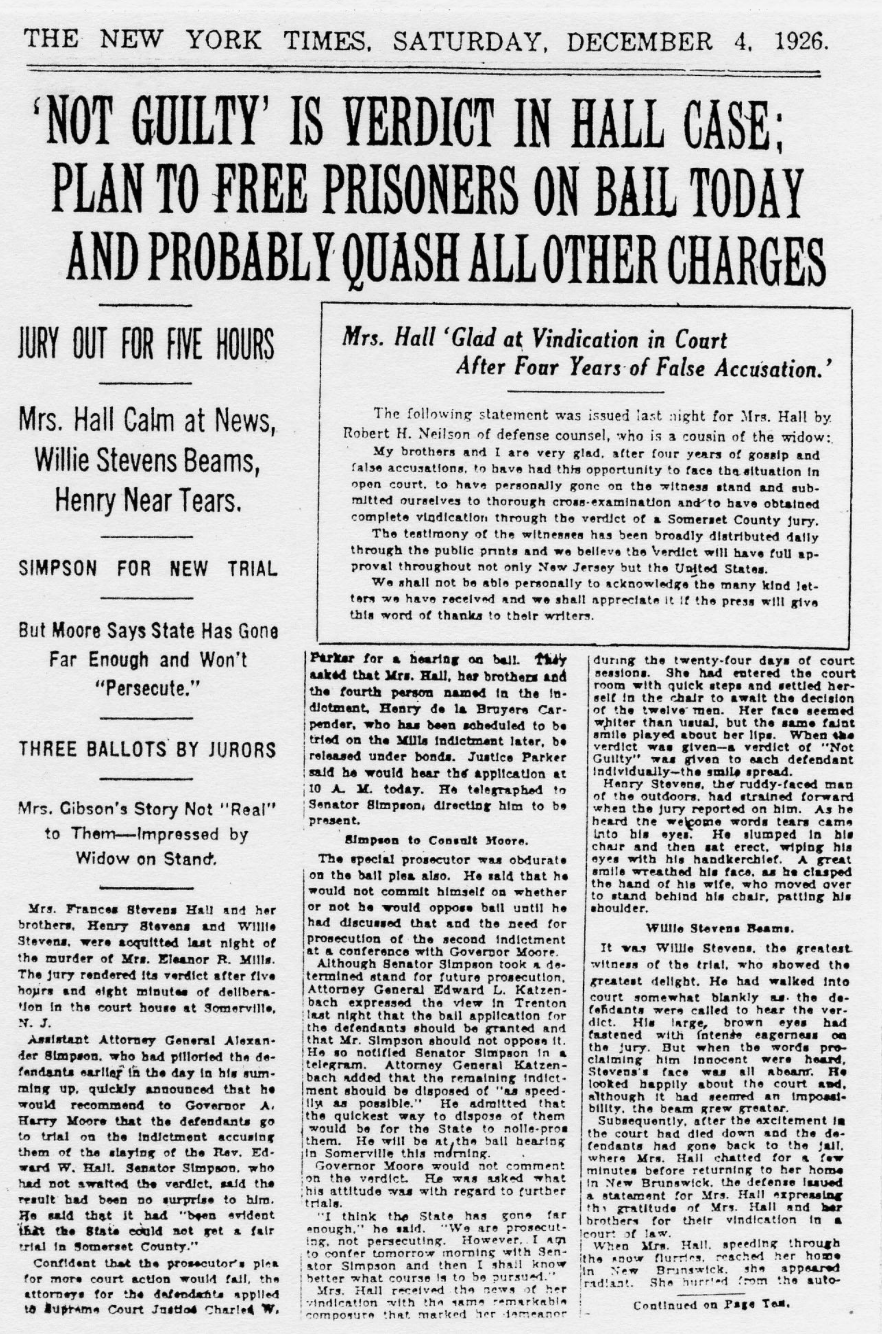
In 1926, relentless tabloid coverage helped pressure New Jersey officials into reopening the case. Frances Hall and her brothers, William “Willie” Stevens and Henry Stevens, were charged with murder.
Roughly 300 reporters descended on the courthouse for the trial.
The prosecution argued that Frances had overheard her husband planning to meet Mills and recruited her brothers to help carry out the killings. Henry was a skilled marksman, while Willie was accused of providing the gun and attacking Mills with a knife.
The state’s most dramatic witness was Jane Gibson, a farmer whom newspapers cruelly nicknamed the “Pig Woman” because she raised hogs.
Gibson claimed she had been riding a mule near the field when she heard a confrontation. She described a woman shouting the name “Henry” shortly before gunshots rang out.
By the time of the trial, Gibson was seriously ill. She was brought into court on a stretcher to give her testimony.
It was the type of courtroom scene tabloid editors could only dream about.
The defense attacked her credibility, producing witnesses who described her as unreliable and dishonest. Experts also disputed fingerprint evidence that prosecutors attempted to connect to Willie Stevens.
After five weeks of testimony, Frances Hall and both brothers were acquitted.
No one else was convicted.
Did the Hall-Mills Case Inspire The Great Gatsby?
The Hall-Mills murders became one of the earliest true-crime spectacles of the modern tabloid era.
Historians have noted that F. Scott Fitzgerald was living in the region and beginning work on The Great Gatsby while the scandal dominated newspapers. Some researchers believe elements of the case may have influenced the novel’s themes of adultery, class resentment, wealth and violent death.
The connection has never been proven, but the parallels have kept the theory alive.
Like the novel, the real crime exposed a world in which reputation, social class and money appeared to matter as much as justice.
Edward Hall and Eleanor Mills became national gossip.
Their killer or killers remained free.
Lizzie Borden: The Woman Everyone Remembers as Guilty
More than 130 years after the murders of Andrew and Abby Borden, many people do not realize that Lizzie Borden was acquitted.
The famous rhyme has already convicted her in the court of public opinion:
“Lizzie Borden took an axe…”
The rhyme gets several important details wrong.
Abby was Lizzie’s stepmother rather than her biological mother. The likely weapon was a hatchet, not a full-sized axe. Abby suffered approximately 19 blows, while Andrew was struck 10 or 11 times—not 40 and 41 as the rhyme claims.
The actual case began on the morning of August 4, 1892, inside the Borden family home in Fall River, Massachusetts.
Abby was attacked first in an upstairs guest room. Approximately an hour and a half later, Andrew was killed while resting on a sofa downstairs.
The murders occurred in broad daylight on a busy street. Neighbors heard nothing, and no witness reported seeing an intruder enter or leave the property.
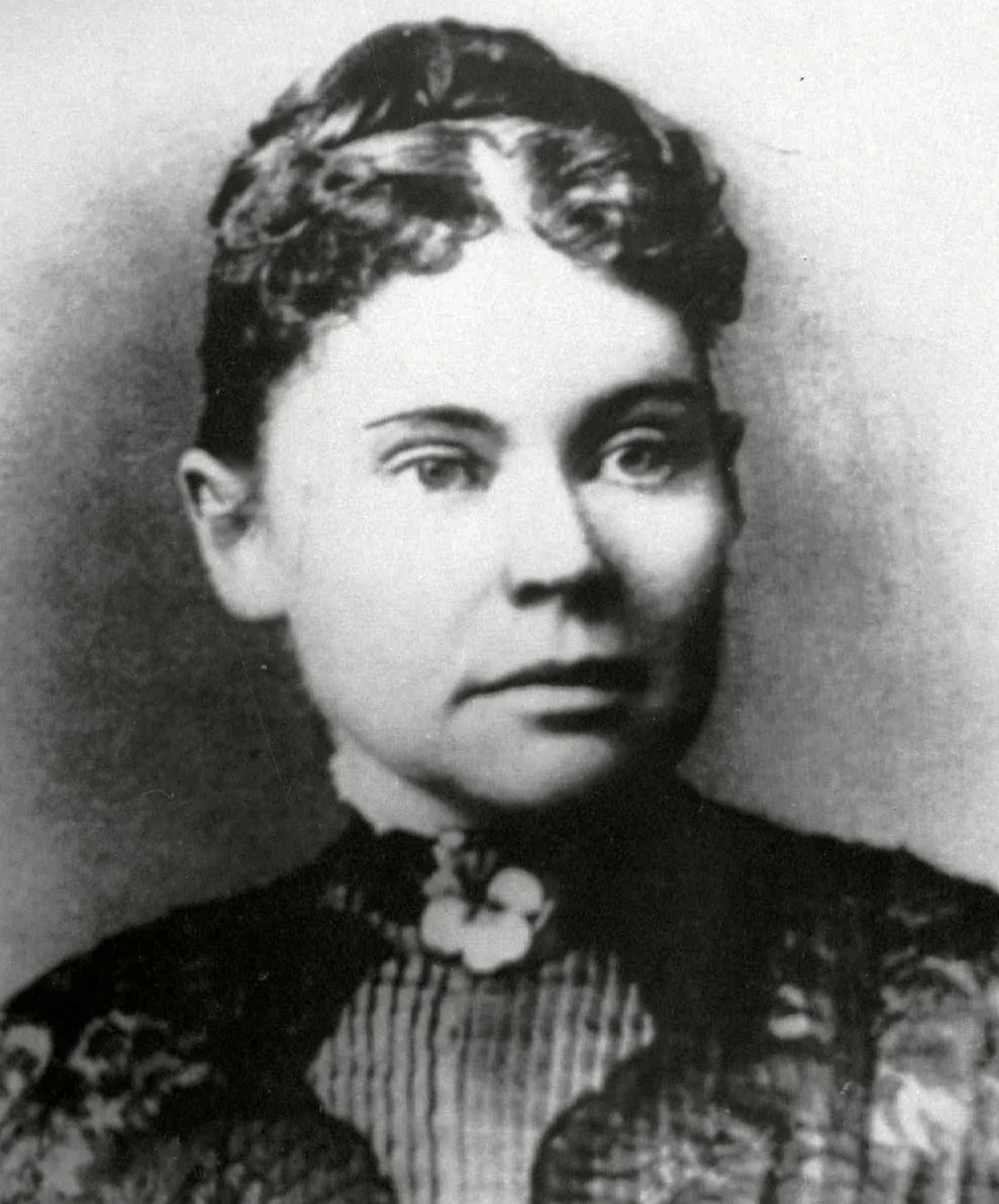
Who Was Inside the Borden House?
Andrew’s older daughter, Emma, was away from home.
That left Lizzie, the family’s Irish maid Bridget Sullivan, Andrew and Abby at the house during crucial parts of the morning.
Sullivan said she had been outside washing windows when Abby was attacked. She later went upstairs to rest before Lizzie called out that Andrew had been killed.
Lizzie claimed she had spent time in the barn and discovered her father’s body when she returned.
Her explanations about her activities changed during questioning, raising suspicion among investigators. She was also unable to provide a convincing explanation for a note she claimed Abby had received asking her to visit a sick friend.
No such note was ever found.
Police eventually concluded that Lizzie was the most likely suspect and arrested her one week after the killings.
The Poison, the Burned Dress and the Missing Weapon
Several pieces of circumstantial evidence seemed to point toward Lizzie.
A drugstore employee claimed she had attempted to purchase prussic acid, a deadly poison, shortly before the murders. Her friend Alice Russell also testified that she saw Lizzie burn a dress in the kitchen stove several days after the killings.
Lizzie said the dress was old and stained with paint.
The prosecution suggested she was destroying bloody evidence. Her family maintained she was simply disposing of an unwanted garment. Russell’s testimony about the burned dress helped persuade a grand jury to indict Lizzie.
But investigators faced an enormous problem.
They had no proven murder weapon.
Hatchets recovered from the basement did not provide a clear forensic link to the killings, and a chemist reported finding no blood on the tools examined. The clothing Lizzie surrendered contained only a tiny blood spot that was not treated as decisive evidence.
There was no blood-covered dress, no eyewitness and no confession.
The claim about the prussic acid was also excluded from the trial because the judges determined the prosecution had not adequately addressed possible innocent uses for the substance. Lizzie’s damaging inquest testimony was excluded as well.
What remained was a case built almost entirely on opportunity, inconsistent statements and suspicion.
Could a Respectable Victorian Woman Commit Such a Crime?
Lizzie’s social position shaped the way the public and jury viewed her.
She was a white, upper-class Protestant woman who taught Sunday school and participated in charitable and religious organizations. Many supporters considered it almost impossible that someone of her background could commit such a savage crime.
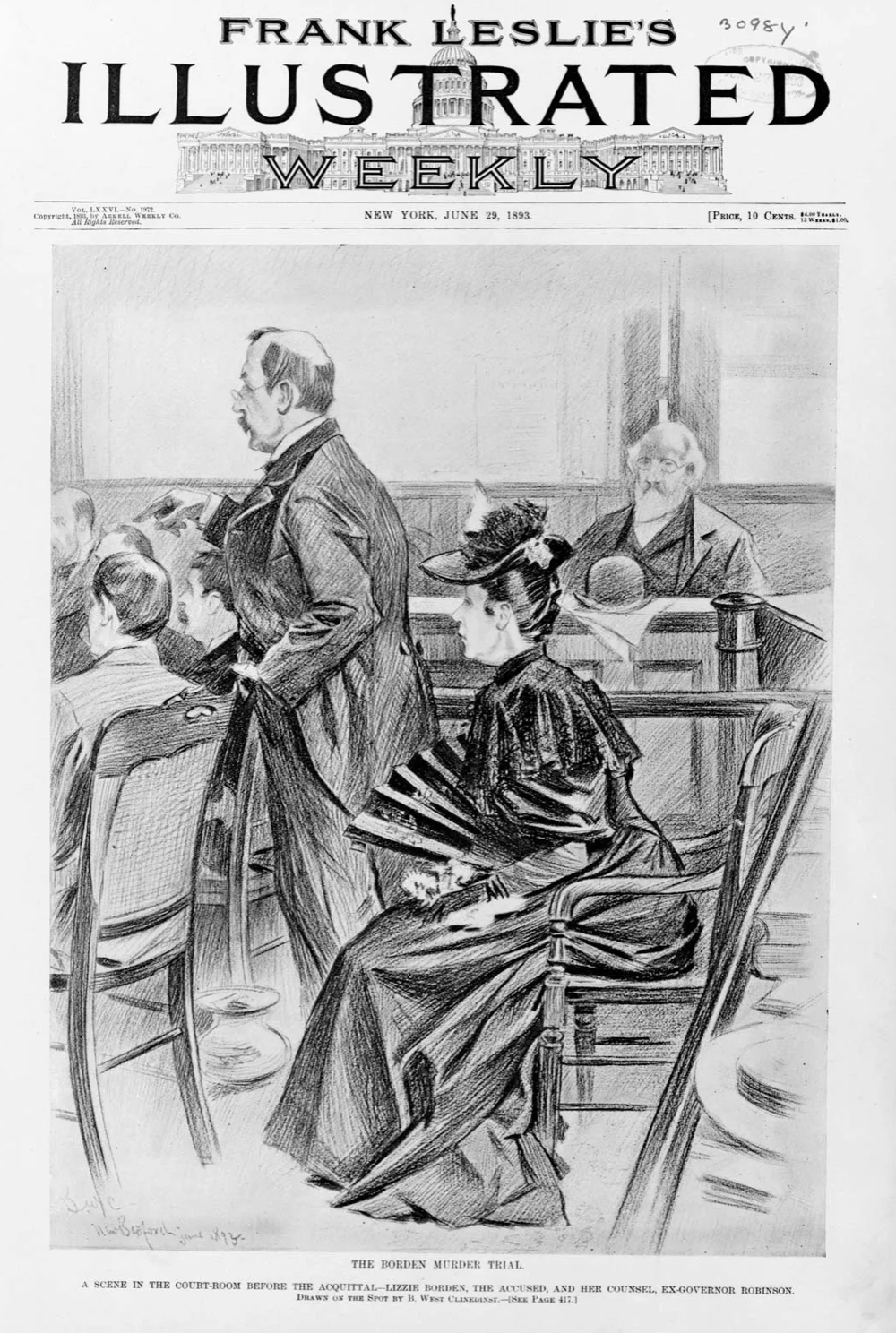
Women were also prohibited from serving on the jury. The men judging Lizzie were asked to imagine a respectable woman violently killing her father and stepmother with a hatchet.
Her defense team used those cultural assumptions to its advantage.
Lizzie appeared in court dressed modestly, sometimes holding flowers and a fan. Newspaper descriptions emphasized her quiet and supposedly delicate appearance. Her lawyers argued that the prosecution had failed to prove how she could commit two extraordinarily bloody murders without being seen and without leaving obvious blood on herself.
After the case was submitted, jurors reportedly reached their decision quickly but waited before returning to the courtroom so the verdict would not seem rushed.
Lizzie Borden was acquitted in 1893.
Acquitted... but Never Truly Cleared
An acquittal means prosecutors failed to prove guilt beyond a reasonable doubt. It does not necessarily mean every juror believed the defendant was innocent.
Many Fall River residents continued to suspect Lizzie.
She and Emma used their inheritance to purchase a large home in the wealthier part of the city, but Lizzie was increasingly excluded from the community she had once belonged to. Children harassed her, former acquaintances avoided her and her name became permanently attached to the murders.
Lizzie and Emma later became estranged. Lizzie died in 1927 without confessing or publicly solving the mystery.
No one else was prosecuted for killing Andrew and Abby Borden.
Three Crimes That Became Legends Before They Became Cold Cases
The Black Dahlia, Hall-Mills and Lizzie Borden cases are remembered because they contain nearly every element that draws people to an unsolved mystery.
There was beauty, scandal, infidelity, wealth, family conflict and courtroom drama.
There were suspicious doctors, jealous spouses, unreliable witnesses and famous defendants.
There was also an aggressive press eager to turn real deaths into entertainment.
Elizabeth Short became the “Black Dahlia,” a noir character created after she could no longer defend herself.
Eleanor Mills became the minister’s mistress, overshadowed by the wealthy family suspected of killing her.
Abby and Andrew Borden became supporting characters in the legend of Lizzie, whose name eventually became more famous than either victim’s.
The endless attention helped preserve the cases, but it may also have made the truth harder to find. Rumor became mixed with evidence. Witnesses changed their stories. Confessions came from attention-seekers. Crime scenes were contaminated or badly documented.
Modern investigators can sometimes solve decades-old cases through preserved DNA, fingerprints and genetic genealogy. These three mysteries present a much greater challenge because evidence was lost, damaged, handled improperly or never collected using standards that would be expected today.
The theories will continue.
Books will name new suspects. Documentaries will promise breakthroughs. Researchers will discover forgotten letters and files. People will continue arguing that one particular suspect was obviously responsible.
Yet suspicion is not proof.
Until evidence can survive independent examination and establish guilt beyond reasonable doubt, the most honest answer remains the most frustrating one:
We still do not know for certain who committed these murders.
Which case do you believe came closest to being solved: the Black Dahlia, Hall-Mills or the Borden murders? Do you think the most famous suspects were guilty, or has decades of sensational storytelling pushed the public toward conclusions the evidence never truly proved?