He Warned That Bad Cops Had “Tainted the Badge”—While Under Investigation for an On-Duty Affair Inside a Middle School
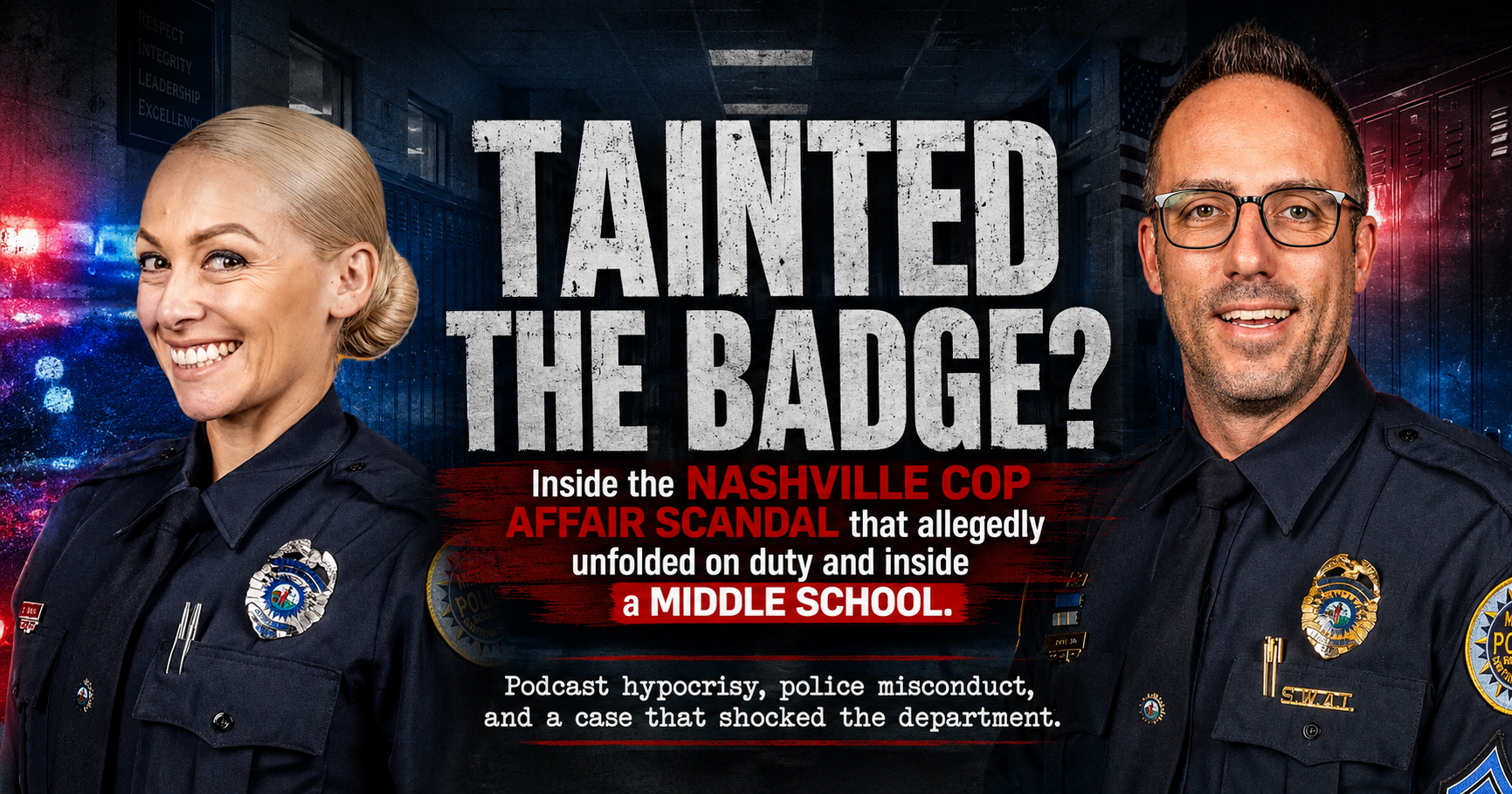
Months after Nashville police launched an internal investigation into Sgt. Stephen Holland and school resource officer Lisa Vidrios, Holland appeared on a podcast condemning officers who dishonor the profession. The public did not yet know investigators had obtained videos and messages documenting the married officers’ sexual encounters inside a middle school and police vehicle.
 Marie NovakMarie Novak is a crime news writer for Crimehowl, covering true crime, missing persons cases, court updates, and stories that leave communities searching for answers. She focuses on writing with empathy, clarity, and a deep respect for victims and their families while encouraging readers to think critically about the cases that shape the headlines.
PUBLISHED AUG 04, 2026 · 06:00 | 12 MIN READ | LONG READ | FILED UNDER CURRENT CRIMES
***Content warning: This article discusses explicit adult conduct in a school and workplace misconduct.
A veteran Nashville police sergeant spoke passionately about honor, faith and the damage caused by officers who disgrace their profession.
What listeners were not told was that he was already under investigation for allegedly doing exactly that.
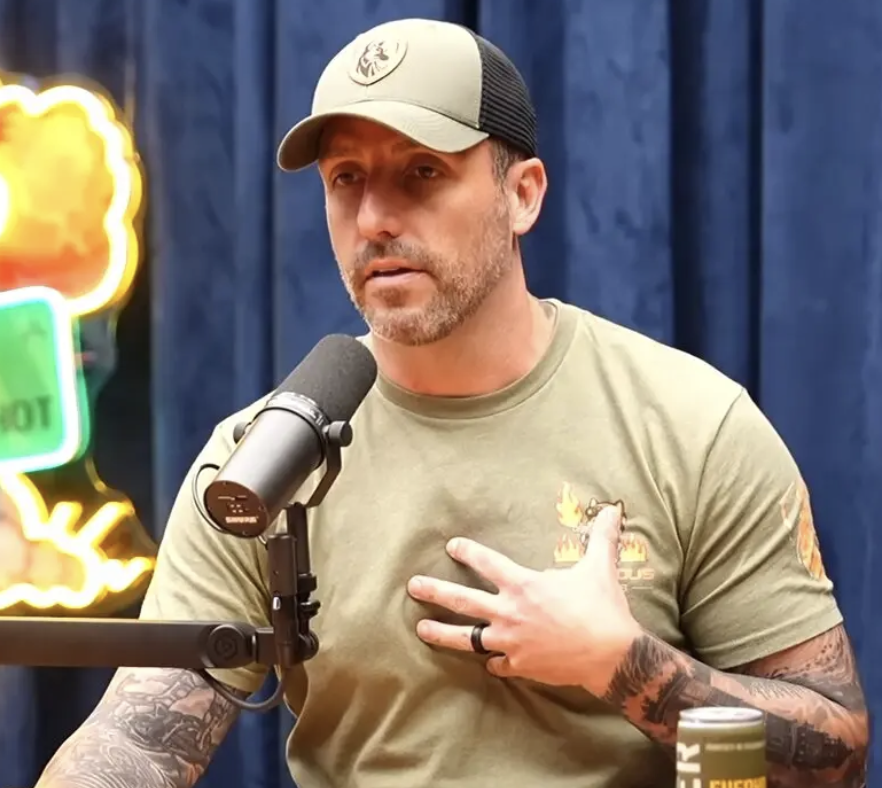
Metropolitan Nashville Police Sgt. Stephen Holland appeared on former Navy SEAL Andy Stumpf’s Cleared Hotpodcast in August 2025, nearly three months after the department stripped him of his police authority amid an investigation into his affair with fellow officer Lisa Vidrios.
During the nearly three-hour interview, Holland spoke critically about officers who had “tainted the badge” and claimed some people entered law enforcement for the wrong reasons.
“Their hearts are not in it. But mine is,” Holland said during the discussion.
The episode was released on August 18, 2025, under the title “Steve Holland—SWAT, Faith, and the Emotional Toll of Law Enforcement.” It focused on Holland’s career, his reported struggles with post-traumatic stress and anxiety, and the personal toll of police work. The program ran approximately two hours and 44 minutes.
However, the affair investigation was never addressed.
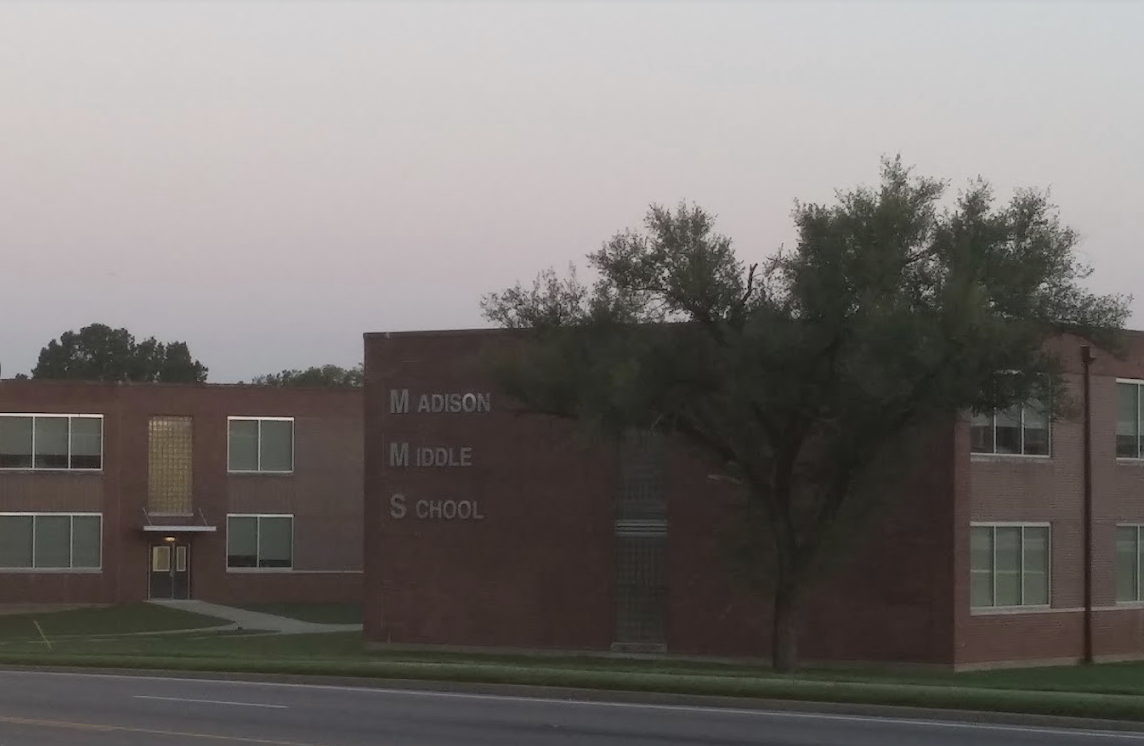
The scandal did not become widely known until almost a year later, when internal records revealed that Holland and Vidrios had engaged in sexual activity while working, including inside Madison Middle School as students and employees were elsewhere in the building.
The contrast between Holland’s podcast comments and the conduct documented by investigators has now transformed an already troubling police scandal into a much larger conversation about hypocrisy, public trust and accountability.
The Complaint Came From Another Nashville Police Officer
The internal investigation began on May 26, 2025, when Metro Nashville Police Officer Angel Vidrios reported that his wife, Lisa Vidrios, was having an affair with Holland.
Angel Vidrios was not simply a suspicious spouse making an unsupported accusation. According to the investigative summary, he provided the department’s Office of Professional Accountability with videos, photographs, screenshots and text messages preserved from his wife’s phone.
He reportedly told investigators that the communications between Lisa Vidrios and Holland stretched back approximately two months.
Once the allegations reached the department, both officers were immediately decommissioned. Their police authority was suspended, and their access to MNPD systems and equipment was removed. Neither officer regained that authority before leaving the department.
Investigators then compared the officers’ messages with timekeeping records, work assignments and other departmental information.
What they uncovered was not limited to a private extramarital affair conducted away from work.
The evidence documented repeated encounters on government and school property, some of them taking place while at least one officer was being paid to work.
Four Encounters Inside a Middle School Office
Lisa Vidrios was assigned as a school resource officer at Madison Middle School.
School resource officers are placed inside educational buildings to help provide security, respond to emergencies and develop relationships with students and staff. That responsibility made the location of the encounters especially disturbing.
In a written statement submitted during the investigation, Vidrios admitted that she and Holland had engaged in sexual activity inside her school office approximately four times.
She acknowledged that children were inside the building during at least some of those encounters.
According to the investigative report described by local news outlets, one video showed the two officers on a couch inside the office while the voices of school employees could be heard outside the closed door.
The evidence did not accuse either officer of sexual contact with a student, and no public report reviewed for this article suggests that children participated in or were directly targeted by the conduct.
The issue was that two on-duty law-enforcement officers allegedly used a middle school office for repeated sexual encounters while students and employees were present elsewhere in the building.
Those were the same people Vidrios had been assigned to protect.
Videos Were Also Recorded Inside a Police Vehicle
The school was not the only public location connected to the affair.
Vidrios also admitted that she and Holland engaged in sexual activity twice inside his department vehicle near an abandoned hospital. At least some of the conduct occurred while one or both officers were working.
Investigators reportedly recovered a video depicting sexual activity inside the vehicle.
The text messages provided additional context.
Messages reviewed by investigators showed the officers arranging meetings, leaving assignments and discussing where they could meet without being recorded. One exchange involved cameras inside a school parking area. Other messages appeared to coordinate encounters while the officers were supposed to be working.
The internal review concluded that Holland was receiving overtime pay during at least one rendezvous.
That detail raised the scandal beyond adultery and poor judgment.
When public employees leave their assignments for personal activity while being paid, the public has a legitimate interest in knowing whether taxpayer-funded time, vehicles or property were misused.
The published investigative findings determined that Holland violated departmental rules by engaging in inappropriate activity on Metro property and during paid working hours. Investigators also concluded that he left work assignments to meet Vidrios.
A Suspicious Stop Led to the Discovery
The affair reportedly began unraveling after Angel Vidrios noticed his wife making an unexplained stop through the family’s Life360 location-sharing account.
According to records summarized by local and national news outlets, he saw that she had stopped near a parking lot in the Topgolf area. When he questioned her, she allegedly offered a different explanation for being there.
He later discovered material on her phone connecting her to Holland.
Rather than quietly confronting the two or keeping the matter private, he preserved the evidence on his own device and turned it over to the same department where all three worked.
That created an extraordinarily uncomfortable situation inside MNPD.
The complainant was a police officer. His wife was also an officer. The other man was a veteran sergeant assigned to tactical operations.
The department was not investigating gossip between employees. It was examining evidence supplied by one of its own officers concerning possible misconduct by two others.
Lisa Vidrios Had Once Been Featured as a Department Success Story
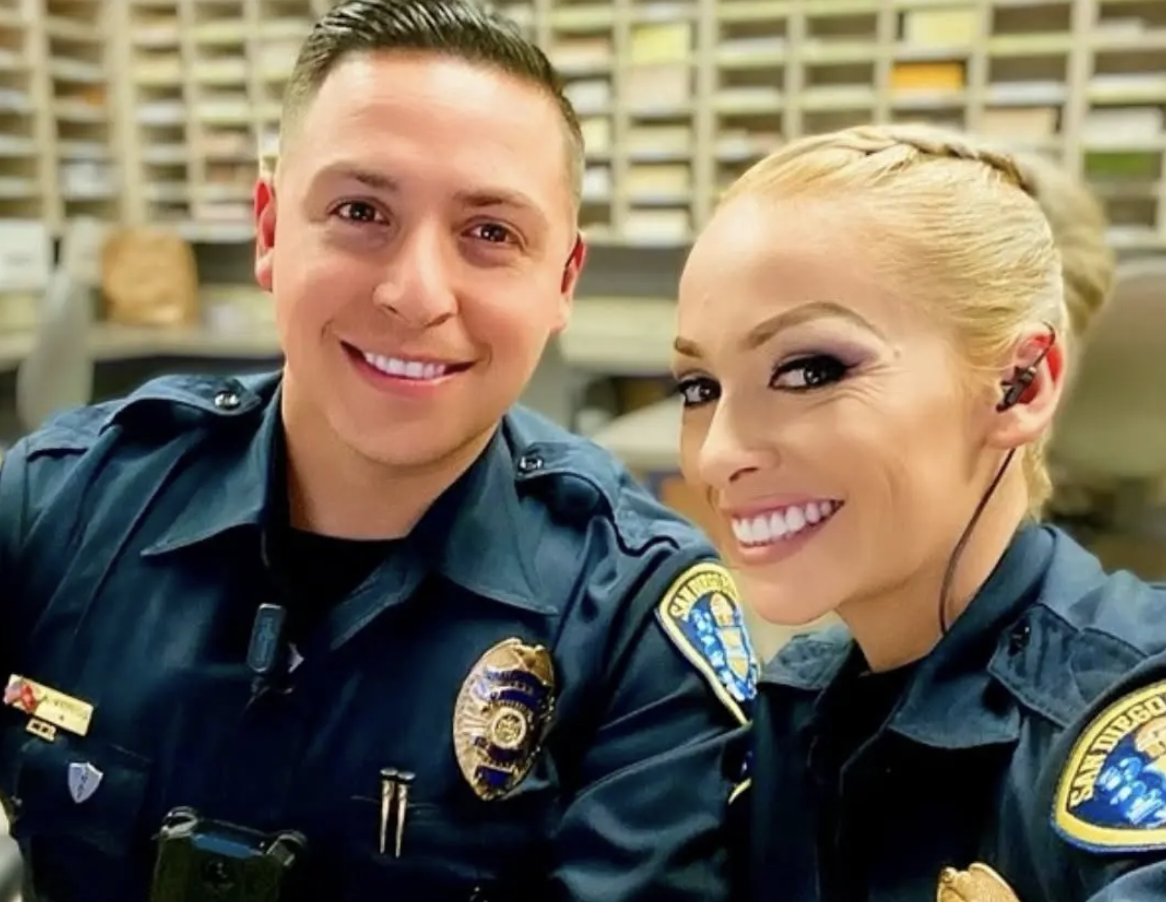
Vidrios had joined MNPD only a few years before the scandal.
She and her husband moved to Nashville from San Diego and entered the department’s training academy together in 2022. Metro civil service records list both Lisa Nicole Vidrios and Angel Alberto Vidrios as new police hires effective May 16 of that year.
The couple was reportedly celebrated as the first married pair to graduate from the Nashville police academy together.
Vidrios, a former Marine who had served for nine years, was selected to represent her academy class and appeared in promotional material discussing the family’s move to Nashville. In that video, she spoke warmly about raising their three children and experiencing the city together as a family.
That optimistic public image made the later revelations especially painful.
The officer once presented as an example of family commitment and public service eventually admitted to repeatedly meeting another married officer while on duty.

Vidrios Accepted Discipline and Resigned
Vidrios entered into what the department called a pre-investigative settlement.
She admitted to violating MNPD conduct policies and agreed to a 30-day suspension before resigning from the police force. Among the cited issues were conduct unbecoming an officer, inappropriate sexual activity while working and failure to devote her full working time to her duties.
Her resignation meant she no longer served as a school resource officer or possessed Nashville police authority.
Holland’s situation unfolded differently.
At the time of the complaint, he had served with MNPD for approximately 18 years and was assigned to tactical operations. He also had extensive SWAT experience, including roughly a decade on the team and several years in a leadership role.
Investigators wanted to interview him, but the department said the process was delayed because he was out on sick leave.
Before an interview occurred, Holland received an injured-on-duty or medical pension in February 2026 and officially separated from the department. His departure meant investigators could no longer compel him to participate as an employee.
The report recommended that he be questioned about the allegations should he ever return to MNPD employment.
That distinction matters.
The pension did not erase the internal findings, but Holland’s separation prevented investigators from obtaining his formal account before closing the employment-related portion of the case.
There has been no public evidence establishing that the pension itself was granted to help him avoid questioning. The available reporting says only that his sick leave delayed the interview and that his subsequent medical retirement placed him outside the department’s employment authority.
Public reports reviewed for this article do not identify criminal charges filed against either former officer over the conduct.
The Podcast Was Released While the Investigation Was Active
Holland recorded or appeared on the Cleared Hot episode after he had already been removed from police duties.
The show was published in August 2025. MNPD had decommissioned Holland and Vidrios on May 26.
That means the investigation had been active for nearly three months by the time listeners heard Holland discuss the integrity of the badge.
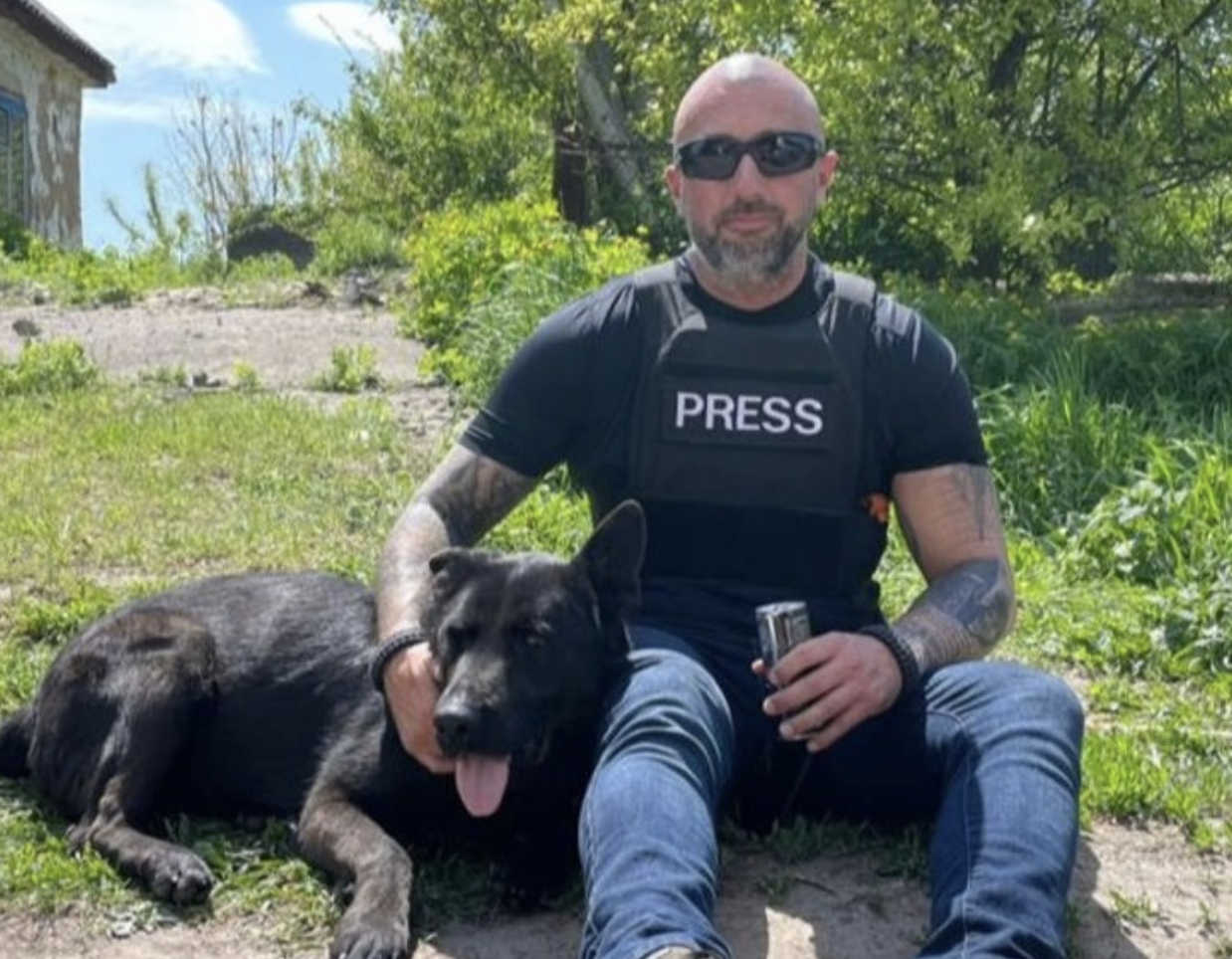
The scandal was not yet widely public, which may explain why the host did not raise it. There is no indication in the available reporting that Andy Stumpf knew of the investigation when the episode was recorded.
Holland spoke on the podcast about the officers he believed had damaged public confidence in policing. He also discussed rebuilding his Christian faith and encouraging his wife to attend church with their children.
He attributed some of his earlier spiritual distance to struggles involving anxiety, trauma and the pressures of his career.
Those comments have now resurfaced alongside the investigative report, and critics say they expose an astonishing contradiction between the moral authority Holland projected and the conduct investigators later documented publicly.
Personal faith, however, does not prove innocence or guilt, and religious language does not belong exclusively to people without serious failures.
The issue is not simply that Holland spoke about God while reportedly being unfaithful to his wife. It is that he positioned himself as one of the officers protecting the badge’s integrity while failing to disclose that his own department had removed his authority over allegations involving on-duty misconduct.
Did Holland Know the Episode Would Become Public?
The podcast’s exact recording date has not been publicly established in the sources reviewed for this article.
The episode was released on August 18, 2025, but podcasts are sometimes recorded days or weeks before publication.
Even so, any recording made after May 26 would have occurred after Holland had been decommissioned. A recording made shortly before that date could change the timeline of what he knew during the conversation.
Neither possibility changes the fact that the episode appeared publicly while the investigation was underway.
The newly resurfaced clips have created a question the internal report cannot answer: Why did Holland so confidently criticize misconduct by other officers when he knew, at minimum, that his own authority had been suspended?
He has not publicly provided a detailed response explaining that contradiction.
Why the Location Matters
Some people may view the scandal primarily as a story about adultery between consenting adults.
Had the encounters occurred entirely during personal time and on private property, they might have remained a matter for the officers and their families.
That is not what investigators found.
The conduct reportedly occurred inside a taxpayer-supported middle school and a government vehicle. The officers used work hours to meet, left assignments and, in one documented instance, Holland was reportedly receiving overtime pay.
The school setting makes the breach more serious because school resource officers occupy a position built on trust.
Parents expect the officer stationed inside their child’s school to be focused on safety. School employees expect police offices and equipment to be used for official purposes. Students are taught that officers represent rules, responsibility and accountability.
When an officer turns a school office into a private meeting place, that trust is weakened even when no student is directly involved.
What About the Pension?
Holland’s medical pension may become the most heavily debated part of the case.
The fact that he retired while an investigation was pending does not automatically mean the pension was improper. Injured-on-duty and disability benefits are governed by employment and medical standards separate from internal misconduct investigations.
Metro retirement rules have historically provided disability benefits to employees who become unable to continue working, including special provisions for disabilities resulting from injuries suffered while performing official duties.
However, the timing understandably creates public frustration.
Investigators said Holland could not be interviewed while on sick leave. He then separated with a medical pension before they obtained his statement. A longtime sergeant therefore left the department without facing the same completed disciplinary process Vidrios did.
That does not prove favoritism, but it does create a perception problem for MNPD.
Public confidence depends not only on whether rules are followed technically, but also on whether accountability appears consistent across ranks and circumstances.
The Damage Extends Beyond Two Careers
The scandal affected far more people than Holland and Vidrios.
Both were married. Both had children. Vidrios’ husband worked in the same department and became the person who formally exposed the affair.
Madison Middle School students, parents and employees were forced to learn that a space intended for school safety had allegedly been used for repeated sexual encounters.
The broader police department must now answer questions about its disciplinary procedures, oversight of officers on leave and whether the public receives enough information when serious internal investigations end through resignation or retirement.
There is also an uncomfortable human reality beneath the headlines.
A spouse discovered explicit evidence of betrayal, preserved it and reported it to his employer. Two families were placed under public scrutiny. Children who had no role in the adults’ decisions may live indefinitely with an online record of the scandal.
Those consequences do not excuse the alleged misconduct, but they are reasons to report the case without turning uninvolved relatives into entertainment.
“Tainted the Badge”
Holland’s podcast remarks are likely to become the phrase that defines this story.
He was correct that misconduct by individual officers can damage the reputation of an entire profession.
Every time an officer abuses authority, misuses public property or avoids accountability, the consequences spread beyond that person. Other officers must continue working in a community that has been given another reason to distrust them.
The contradiction is that Holland apparently recognized that principle when discussing everyone but himself.
Perhaps he believed his conduct was private and separate from his work. The investigative findings say otherwise.
Perhaps he considered the investigation a personal matter that did not belong in a public interview. Yet he willingly discussed character, faith and professional integrity without acknowledging that his department had already taken his badge and access away.
Or perhaps the podcast captured something more common and more troubling: the ability people sometimes have to condemn failures in others while creating excuses for the same behavior in their own lives.
The public may never hear Holland’s full explanation.
Vidrios admitted violating department rules and resigned. Holland retired medically before investigators interviewed him. The report preserved the messages, videos and work records, but it could not force him to explain his choices.
That leaves Nashville residents to decide whether the department’s response was sufficient and whether retirement should ever be allowed to end questioning in a serious misconduct case.
Do you believe Stephen Holland should have disclosed the investigation before speaking publicly about officers who “tainted the badge”? And should police departments be able to complete disciplinary cases after an officer retires, especially when public property and paid working time are involved?