Old Family Posts, New Political Firestorm: What the Abdul El-Sayed Brotherhood Claims Actually Show
Abdul El-Sayed’s denial of Muslim Brotherhood ties has sparked scrutiny of old family posts and political donations. Here’s what the available records establish, why a $200,000 contribution needs clarification, and which accusations go beyond the evidence.
 Marie NovakMarie Novak is a crime news writer for Crimehowl, covering true crime, missing persons cases, court updates, and stories that leave communities searching for answers. She focuses on writing with empathy, clarity, and a deep respect for victims and their families while encouraging readers to think critically about the cases that shape the headlines.
PUBLISHED OCT 23, 2026 · 07:20 | 5 MIN READ | FILED UNDER POLITICAL CRIME
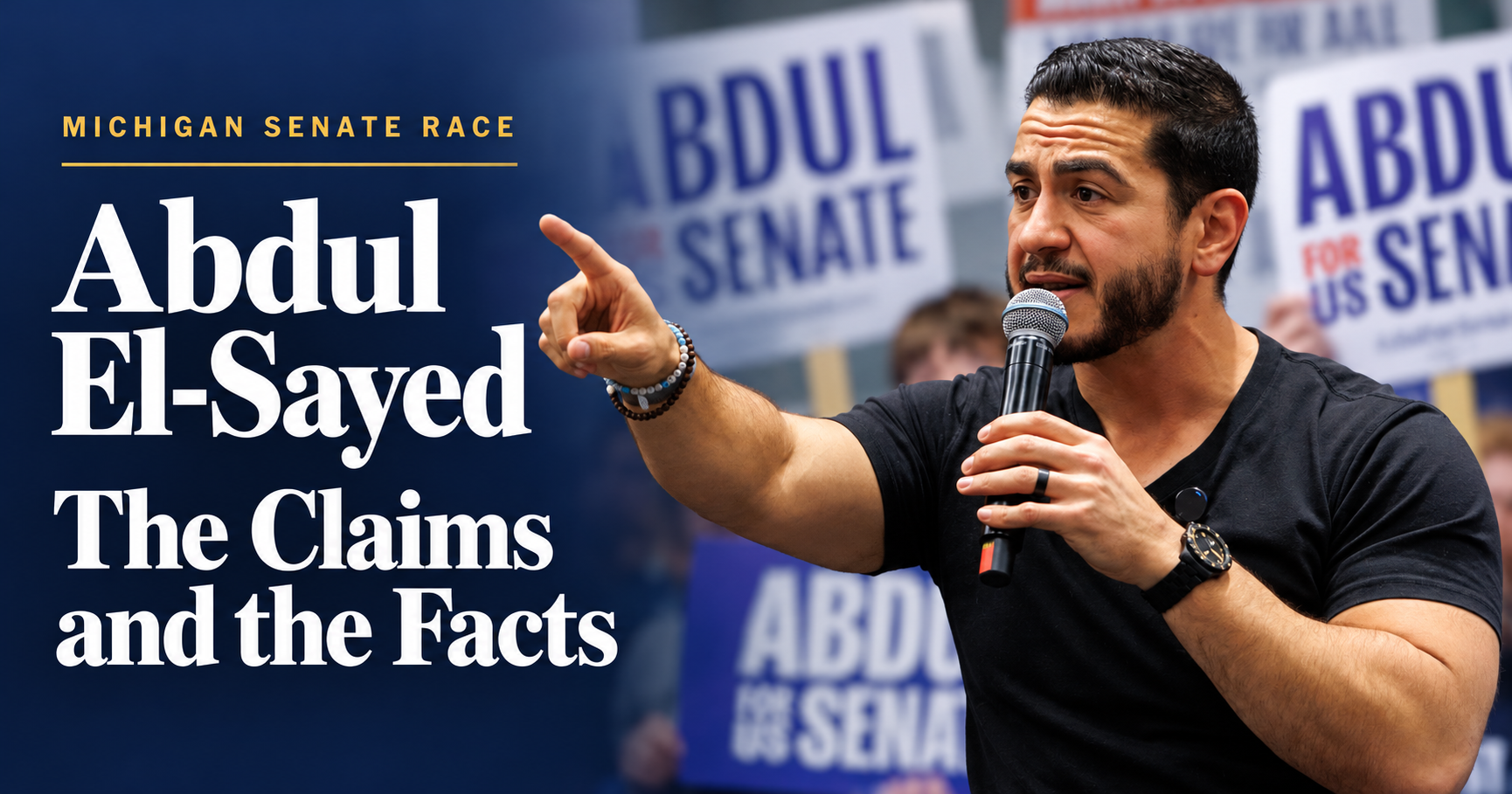
A television interview has pushed Michigan’s U.S. Senate race into a heated dispute over family history, political donations and allegations involving the Muslim Brotherhood.
Democratic candidate Abdul El-Sayed has denied that he or his family have ties to the organization. His critics point to years-old social media posts attributed to his half-sister, Eman Abdelhadi, describing their mother’s involvement with the movement in Egypt during the 1970s.
The disagreement raises a legitimate question about the breadth of El-Sayed’s denial. But some commentary has gone substantially further, portraying him as a potential foreign agent or suggesting he would assist terrorist organizations if elected.
Those are serious accusations. The material reviewed for this article does not establish that El-Sayed is a terrorist operative, has committed espionage or is secretly campaigning on behalf of a foreign organization.
Here is what the controversy involves and where the evidence stops.
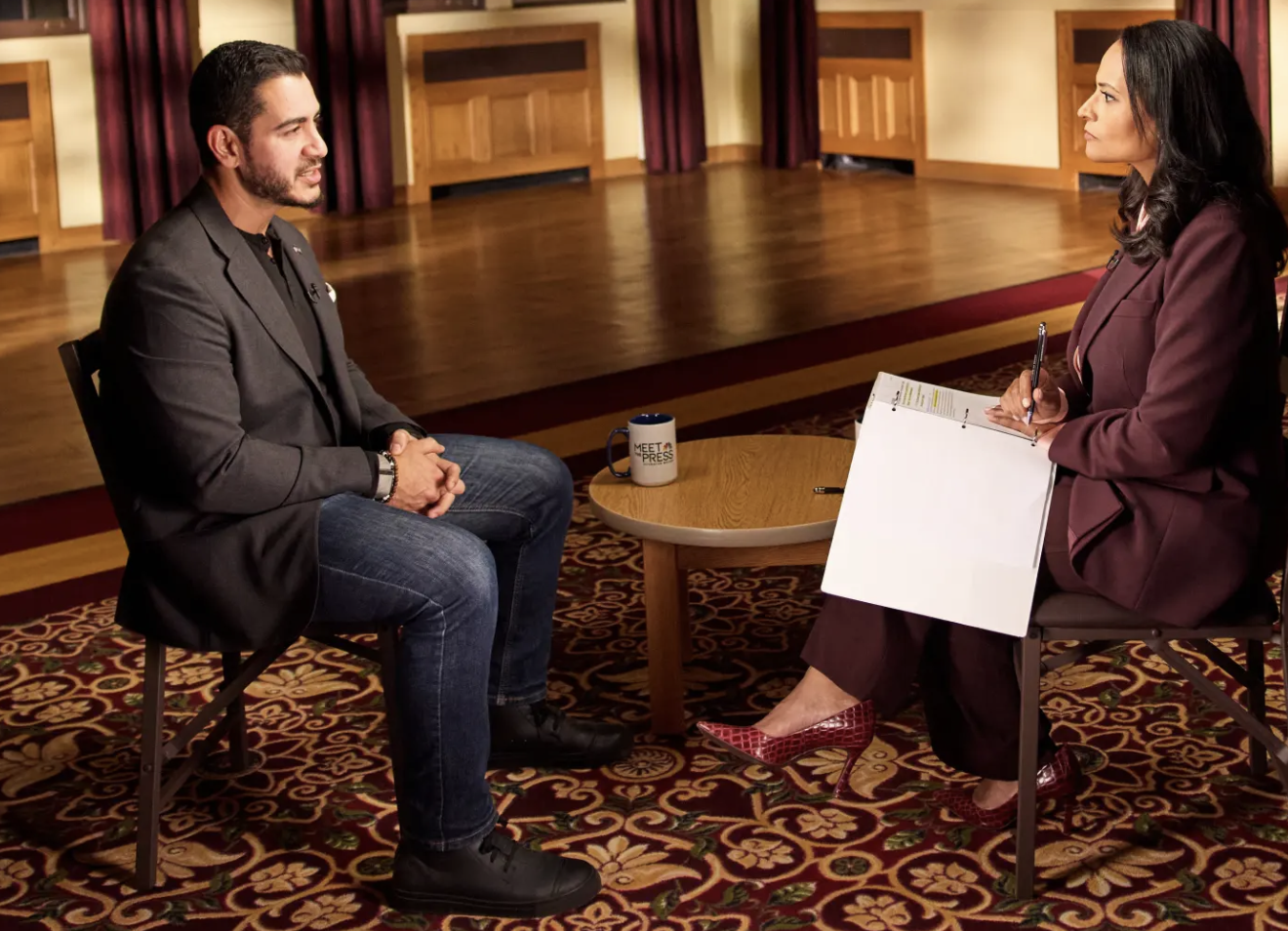
What El-Sayed Said on “Meet the Press”
During his October 11 appearance on NBC’s Meet the Press, El-Sayed was asked about allegations concerning connections to the Muslim Brotherhood.
He denied personal and family ties and argued that Republican opponent Mike Rogers was using his Muslim identity to cast suspicion on him.
That response became a focus of criticism because of earlier posts attributed to Abdelhadi, a University of Chicago professor and El-Sayed’s half-sister.
The dispute now involves two separate questions: whether El-Sayed accurately described his relatives’ history, and whether there is evidence connecting him personally to the organization.
An answer to one does not automatically resolve the other.
Why His Half-Sister’s Posts Matter
A 2012 post attributed to Abdelhadi described a conversation with her mother about Muslim Brotherhood activism during her college years in the early 1970s.
Another referred to a longstanding family connection to the movement, while also criticizing its political conduct.
Critics argue that those statements conflict with El-Sayed’s broad denial of family ties. It is reasonable to ask him to explain that apparent discrepancy.
However, a relative’s account of another relative’s political activity decades ago does not establish El-Sayed’s own membership, beliefs or conduct.
The dates also matter. The alleged activism predates his birth.
The posts are relevant to questions about family history. They do not, by themselves, substantiate claims that a Senate candidate is conducting a covert operation.
El-Sayed Has Addressed the Allegations Again
In a subsequent NBC interview aired October 15, El-Sayed again denied a connection to the Muslim Brotherhood.
He said he was raised by his father and stepmother after his parents divorced and said he had not discussed the alleged activity with his biological mother. He characterized the reliance on his half-sister’s posts as hearsay and rejected their use to connect him personally to the organization.
That response adds context, although critics may still question why his initial denial encompassed his family as well as himself.
The unresolved factual issue is what his mother’s involvement actually was and what El-Sayed knew about it when answering the question.
That is narrower than the sweeping national-security accusations appearing in political commentary.
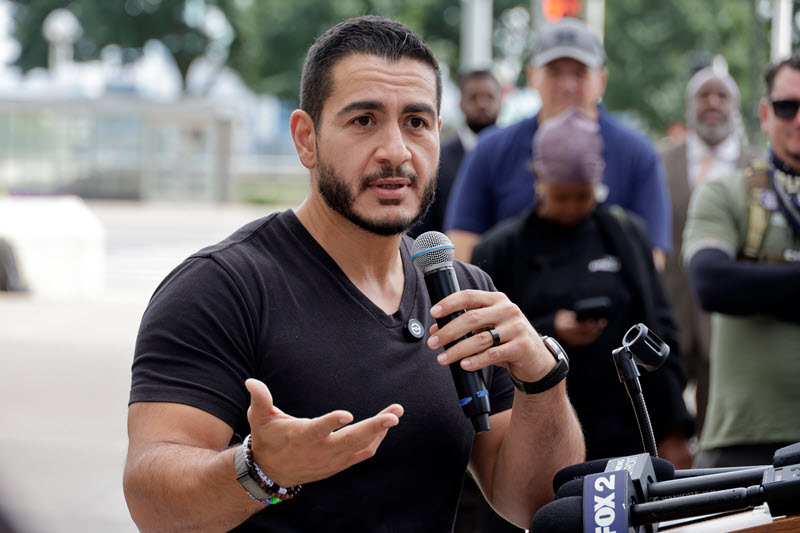
The Charity Allegation Requires Careful Attribution
Another part of the controversy concerns reports that El-Sayed’s biological mother worked for the Islamic American Relief Agency.
There is a documented federal action involving the organization. In October 2004, the Treasury Department designated the worldwide Islamic African Relief Agency network, listing Islamic American Relief Agency among its alternative names.
Treasury alleged that the network supported Osama bin Laden and other terrorist interests. The action blocked assets under U.S. jurisdiction and prohibited support to the designated network.
Those findings are significant. But they do not establish that every employee participated in, knew about or was criminally responsible for the conduct described.
The Treasury announcement reviewed for this article does not identify El-Sayed or his mother among the five senior officials designated alongside the network.
A claim about her employment therefore needs to be distinguished from an allegation of personal criminal involvement and from any allegation against her son.
The $200,000 Donation Claim Needs an Important Correction
The supplied commentary describes El-Sayed’s father-in-law, Jukaku Tayeb, as donating $200,000 to his campaign.
Reporting examining campaign-finance records identifies that contribution as money given to a political action committee supporting El-Sayed, rather than a $200,000 direct contribution to his candidate committee.
That distinction changes the meaning of the claim.
Federal rules generally limit an individual’s direct contribution to a candidate committee to $3,500 per election for the 2025–2026 cycle. Large donations to outside political groups operate under different rules.
Voters can reasonably scrutinize major donors and outside spending. But the recipient must be identified accurately before drawing conclusions about campaign financing.
Likewise, donations from people associated with an organization do not automatically establish that the organization directed the contributions or controls the candidate.
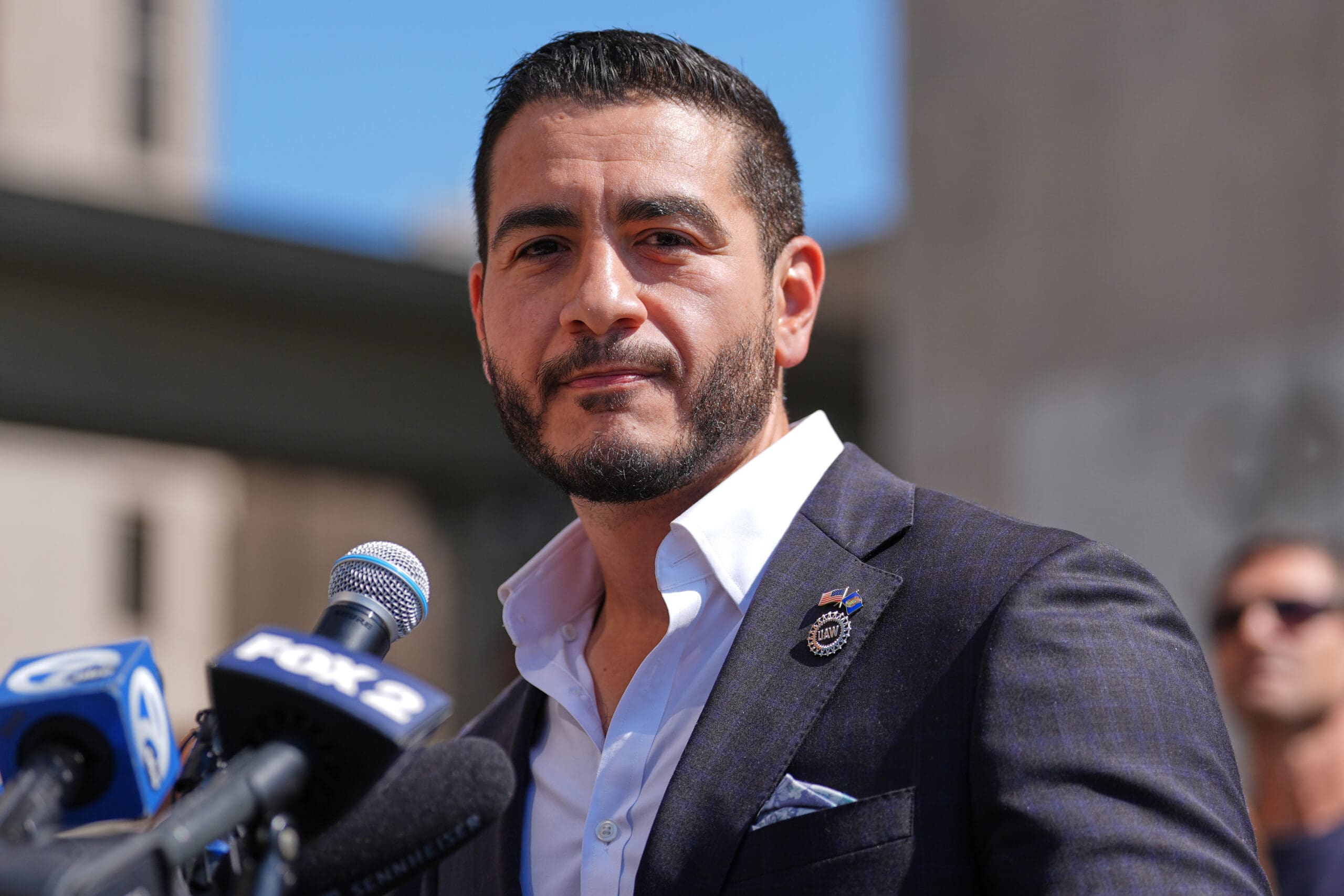
What the Holy Land Foundation Case Establishes
The commentary also references the Holy Land Foundation terrorism-financing prosecution and organizations named as unindicted co-conspirators.
The underlying criminal case was real. A federal jury convicted the foundation and five of its leaders in 2008 on charges involving support for Hamas.
However, an unindicted co-conspirator designation is not a criminal conviction. It should not be presented as one.
Nor do findings against the Holy Land Foundation automatically establish wrongdoing by every person who has donated to, worked with or associated with a separate organization mentioned in the case.
Assessing an allegation against El-Sayed requires evidence about El-Sayed’s own conduct.
Claims About Espionage Go Beyond the Evidence Presented
The most dramatic assertions suggest that El-Sayed would share intelligence with hostile actors or serve as an asset for the Muslim Brotherhood, Hamas, al-Qaeda or ISIS.
The material reviewed does not substantiate those predictions.
Family relationships, disputed organizational associations and political donations are not proof of espionage. Neither is being Muslim, criticizing foreign policy or holding controversial political views.
Candidates should face scrutiny over their statements, donors, judgment and policy positions. That scrutiny is strongest when it identifies specific conduct and evidence, rather than treating religion or ancestry as a substitute.
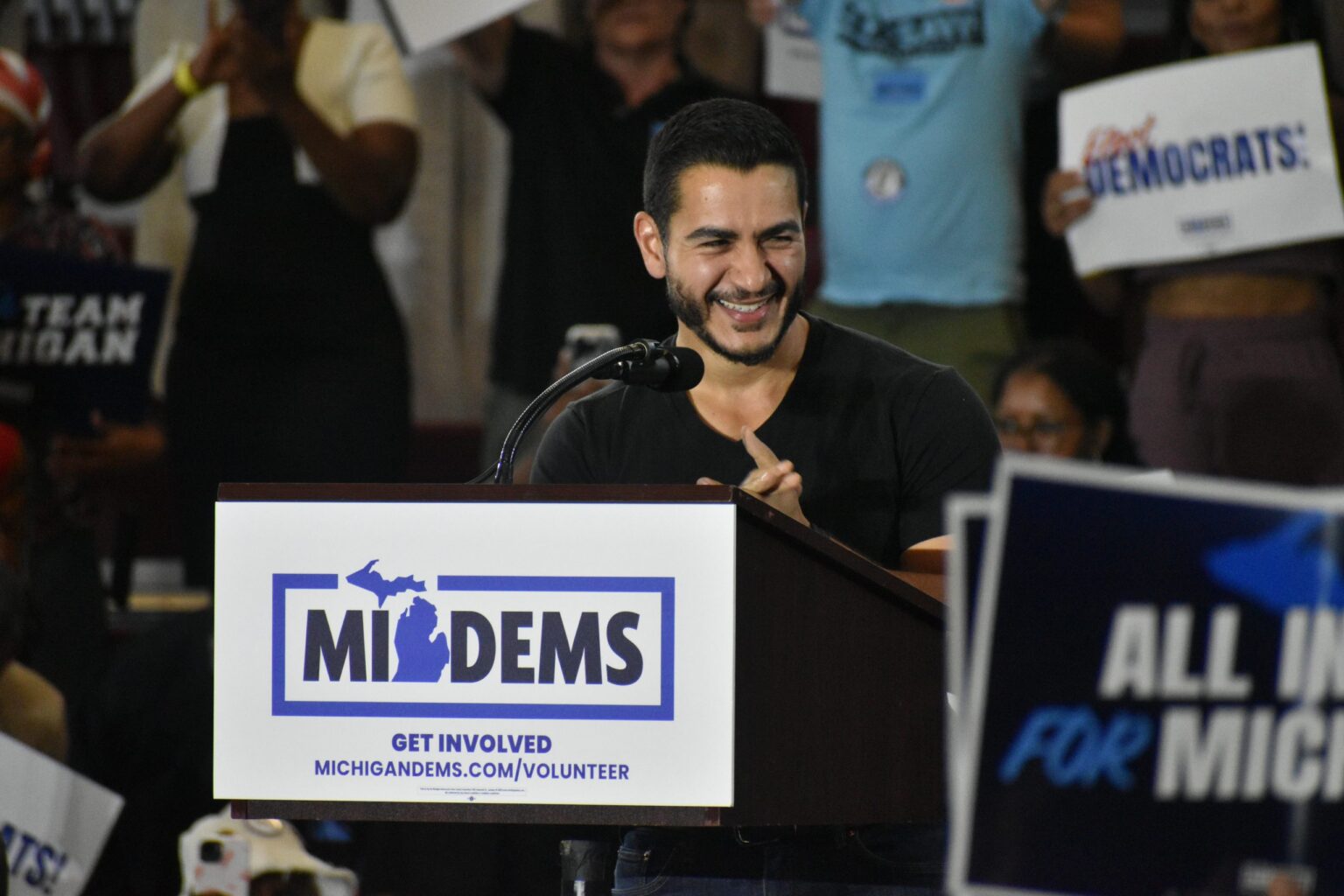
What Michigan Voters Still Need Answered
El-Sayed’s denial and the posts attributed to his half-sister leave questions worth pursuing. A clearer explanation of his mother’s reported history and his knowledge of it would help voters evaluate his response.
Accurate disclosure of outside financial support is also important.
But those questions should remain separate from unsupported accusations of terrorism or disloyalty. The controversy described here is a dispute over political claims and family associations, not an established criminal case against El-Sayed.
How should candidates address controversial statements made by relatives? What evidence should be required before family history becomes a national-security accusation? Share your thoughts in the comments, keeping the discussion focused on documented conduct rather than religion or ethnicity.