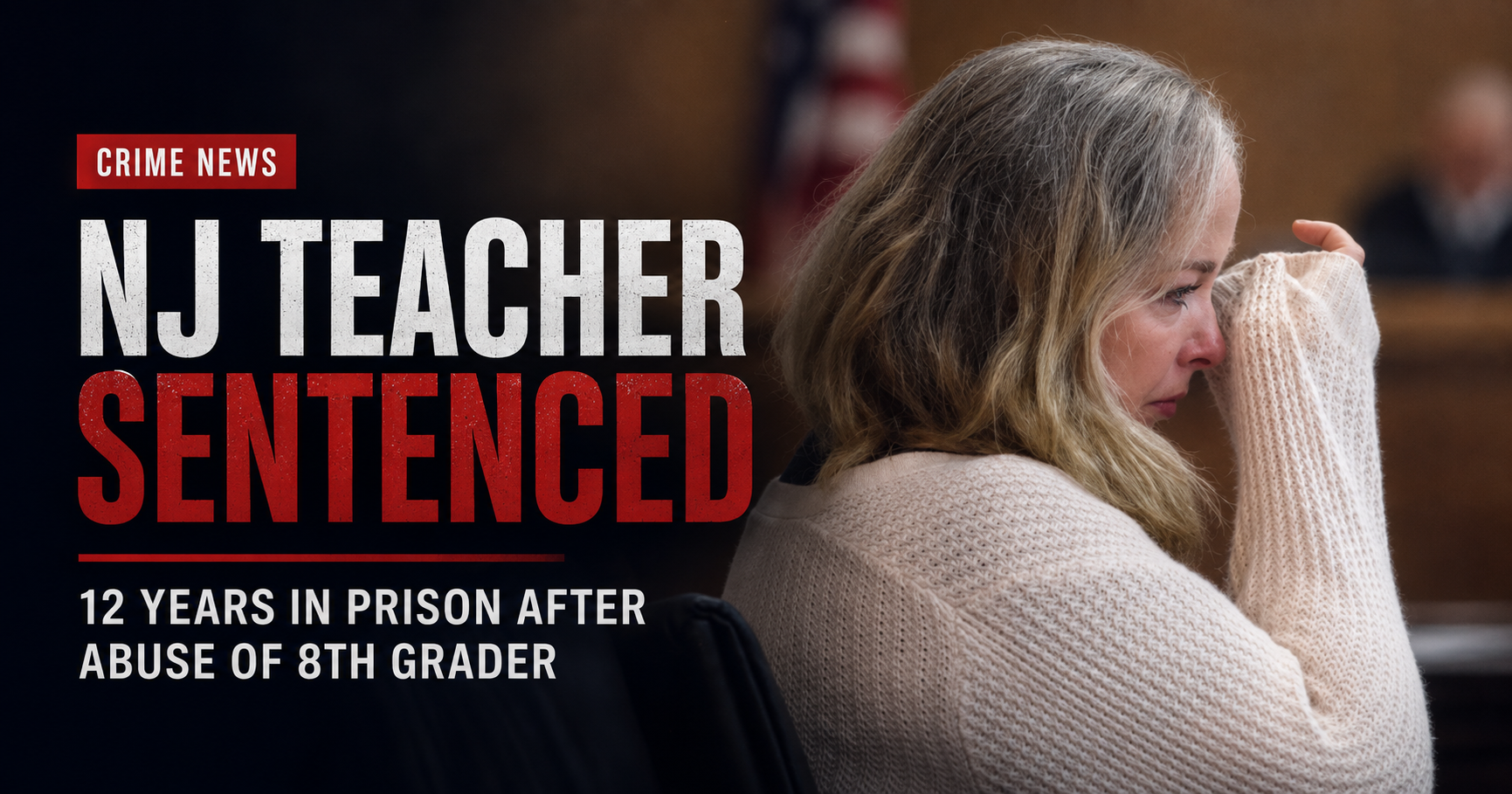
The School Warning Came Years Before Ohio’s ‘House Of Horrors’ — Now 16 Children Are In State Custody
Years before authorities say 16 children were found living in horrific conditions inside a rural Ohio home, court records show their parents had already been accused of failing to send several of the children to school. Now, the Siders family case is raising disturbing questions about truancy red flags, child welfare oversight, rural poverty, and how so many children could allegedly disappear from normal life for years.
 Marie NovakMarie Novak is a crime news writer for Crimehowl, covering true crime, missing persons cases, court updates, and stories that leave communities searching for answers. She focuses on writing with empathy, clarity, and a deep respect for victims and their families while encouraging readers to think critically about the cases that shape the headlines.
PUBLISHED JUL 23, 2026 · 06:00 | 9 MIN READ | FILED UNDER CURRENT CRIMES

A Horrifying Discovery Inside A Rural Ohio Home
This is one of those cases that makes you stop and ask the same question over and over again: How did this go on for so long?
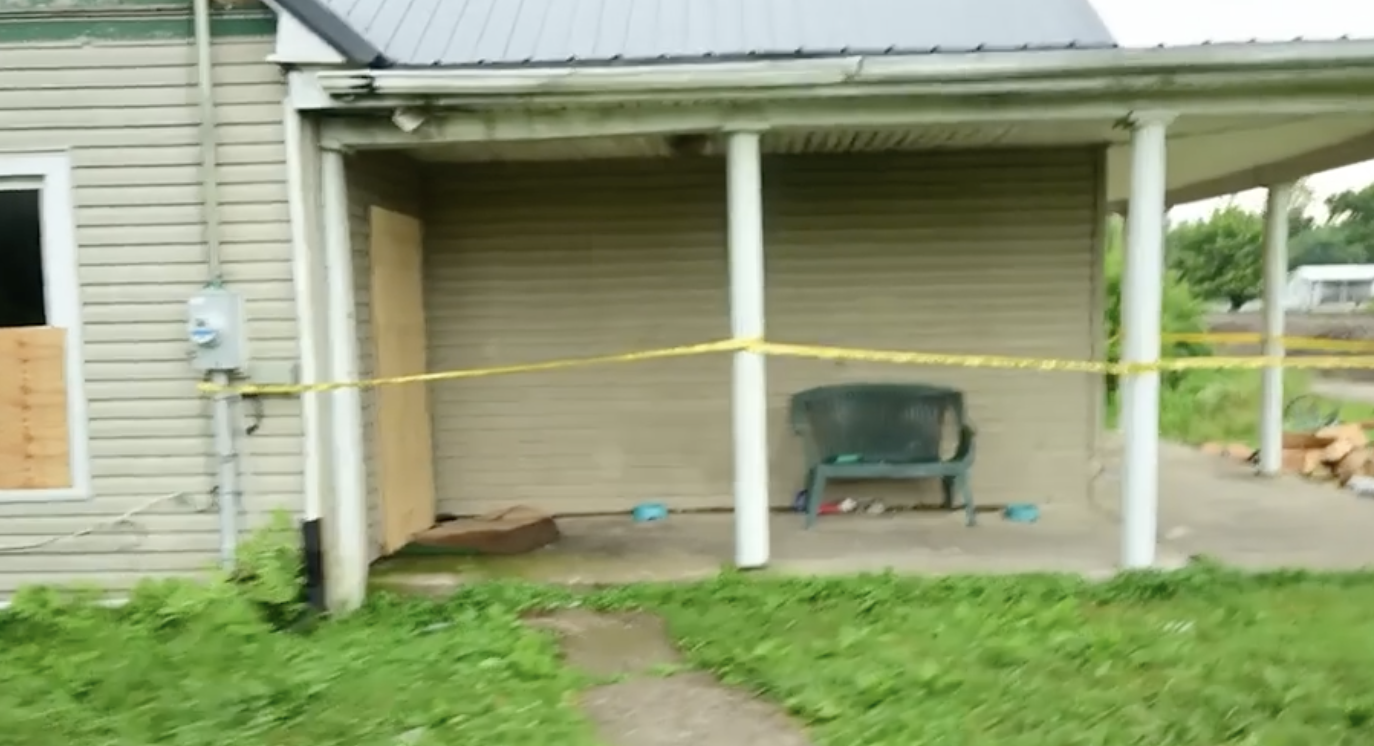
Authorities in Vinton County, Ohio, say 16 children were removed from a home on Ohmer Street in Hamden after law enforcement executed court-authorized search warrants as part of an ongoing investigation. According to the Ohio Attorney General’s Office, investigators found the children inside the residence on June 30, 2026. Gary Siders Jr., Elizabeth Siders, Gary Siders Sr., and Christina Siders were then charged with 16 counts each of endangering children, a second-degree felony.
The children were taken from the home and placed in temporary custody of the state. Some were transported to local hospitals, while others were sent to higher-level medical care and remained hospitalized in serious condition, according to the attorney general’s update.
That alone would be devastating enough. But the details that have come out since then have made this case feel even more disturbing.
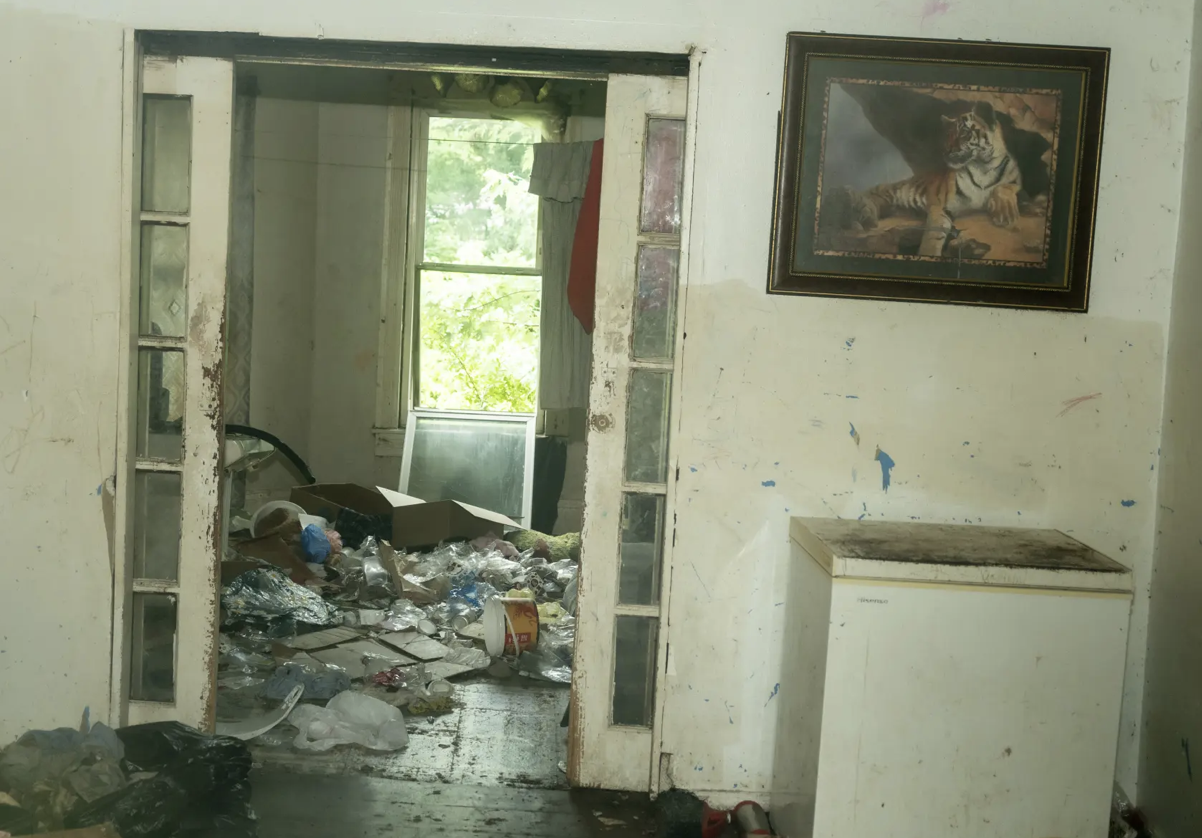
Officials have described the conditions as “deplorable,” and Ohio Attorney General Andy Wilson said the evidence was “beyond comprehension.” He also said that if authorities had waited another 24 hours, there was a high probability they could have been dealing with one or more child deaths.
That statement is the part that really sticks with me. Because if the timeline was that close, then this was not just neglect. It was an emergency hiding in plain sight.

Sixteen Children, Four Adults, And A Home Authorities Say Was Unlivable
The children ranged in age from about 18 months to 18 years old, and officials said several of them had serious medical needs. Seven children were reportedly transported to the hospital, including two who were airlifted, and one was in critical condition at the time officials provided updates.
Authorities have said the case is not believed to be human trafficking. Vinton County Prosecutor William Archer described it instead as an “intra-family situation,” saying the suspects were the children’s mother, father, grandmother, and grandfather.
Those four adults are Elizabeth Siders, 33; Gary Siders Jr., 36; Gary Siders Sr., 73; and Christina Siders, 67. All four have pleaded not guilty.
And while every defendant is presumed innocent unless proven guilty in court, the allegations are deeply troubling. Authorities have alleged the children suffered serious physical harm, and public officials have described some of the children as unable to speak or communicate normally.
The Associated Press reported that authorities alleged the children had been kept in about a 12-foot-by-12-foot room for several years. The same report described Vinton County as Ohio’s smallest county and one of its poorest, with around 12,600 residents, one traffic light, and a single grocery store.
That detail matters because this case is not only about what allegedly happened inside one home. It is also about what happens when a small rural county suddenly has to care for 16 traumatized children while also prosecuting a major felony case.
The Earlier Truancy Case That Now Feels Like A Giant Red Flag
The newest twist in the case is that this was not the first time court records had raised concerns about some of the children.
According to records reported by ABC6 Investigates, Gallia County schools went to court in 2021 over chronic absenteeism involving members of the Siders family. Those complaints were filed in Gallia County Juvenile Court on October 19, 2021, by a Gallia County Local Schools attendance officer.
The complaints accused Elizabeth Siders and Gary Siders Jr. of failing to make sure multiple children attended school as required by law. ABC6 reported that the filings involved six of the 16 children now listed as victims in the Vinton County child endangering case.
According to those court records, six children enrolled at Addaville Elementary School had accumulated more than 72 hours of unexcused absences during the 2021-2022 school year, meeting Ohio’s definition of habitual truancy.
People also reported that those children had allegedly failed to attend a single day of school at Addaville Elementary, and that the parents had been notified by the district but did not take action. Deputies were later unable to serve the couple because their home was reportedly vacant, and the cases were terminated in January 2022 because the defendants were unavailable.
That is where the case becomes especially frustrating.
A school attendance issue may not always mean abuse. Sometimes families are dealing with poverty, transportation problems, illness, instability, or other barriers. But when multiple children stop attending school and then the family cannot be located, it raises the exact kind of question people are asking now:
Should more have happened then?
What Ohio Law Says About Habitual Truancy
Under Ohio law, a habitually truant child is one who is absent without legitimate excuse for 30 or more consecutive hours, 42 or more hours in one school month, or 72 or more hours in one school year.
Ohio’s Department of Education and Workforce says that when a student becomes habitually truant, schools are expected to communicate with the family about legal consequences, and when certain conditions are met, a complaint must be filed in juvenile court.
So the 2021 truancy filings were not a small technicality. They meant school officials had already escalated concerns through the court system.
The difficult part is what happened next. According to reporting, the case did not lead to the family being found and monitored long-term. The filings were ultimately terminated because the parents could not be served.
And now, years later, authorities say none of the 16 children were enrolled in school at the time they were removed from the Hamden home.
That is the kind of detail that makes this case feel like more than a single household tragedy. It feels like a breakdown somewhere between school systems, courts, child welfare, and law enforcement follow-up.
The County Is Now Struggling To Care For The Children
Another major part of this story is the financial strain now facing Vinton County.
The Associated Press reported that removing the 16 siblings instantly more than doubled the number of children in temporary custody in Vinton County. The state Department of Children and Youth estimated placement costs for the children could run between $150 and $250 per child per day, adding up to roughly $850,000 a year.
That is a staggering amount for a small county.
A state legislative panel was expected to approve $1 million in additional state funding to help Vinton County respond to what officials called an “emergent and developing child protection crisis.” That money would help cover care for the children, along with court costs and police overtime tied to the case.
This is one of the parts of the case that people may not think about right away. Once children are rescued from an allegedly abusive or neglectful environment, the story does not end. They need medical care. They need safe placement. They may need therapy, developmental support, schooling, evaluations, and long-term help.
And when there are 16 siblings involved, that responsibility becomes enormous almost overnight.
A Defendant Released Because Medical Costs Could Bankrupt The County
There is also a controversial legal and financial issue involving Gary Siders Sr.
AP reported that 73-year-old Gary Siders Sr. was released from jail after his bond was adjusted so he could receive medical care outside the county. Prosecutor William Archer said Siders had fallen at the jail and appeared to need specialized care. Because medical care for inmates falls on the county, Archer said the cost could potentially bankrupt Vinton County.
That is another disturbing reality this case has exposed. Small counties do not have endless budgets. A single complex prosecution, a large group of child victims, and one defendant with major medical needs can create a financial crisis almost immediately.
The judge’s order reportedly required GPS tracking at state expense if Siders Sr.’s health improved enough for him to leave the hospital. Archer also said officials determined the release strategy did not create a public safety risk because of his health condition and because the case involved family members.
Still, this is the kind of detail that will make a lot of readers uneasy. When a defendant in a child endangerment case is released because jail medical costs could overwhelm a county, it forces a hard question: How prepared are small communities for cases like this?
The Children’s Future Is Now The Most Important Part
There are many legal questions surrounding this case, but the children’s future is the part that matters most.
AP reported that all 16 siblings were born in hospitals, and that among them are three sets of twins. Court records reviewed by AP also showed the oldest child was born in May 2008, just two months after Gary Siders Jr. and Elizabeth Siders married in West Virginia, when he was 18 and she was 15, with parental consent.
Those details make the timeline even more heartbreaking. These children were not invisible from birth. There were hospital records. There were school records for at least some of them. There were court filings tied to truancy years earlier. And yet authorities now say they were found in conditions so severe that some needed urgent medical care.
The agency handling the children’s care has reportedly looked into setting up a trust after donations began pouring in from people wanting to help.
That is one bright spot in an otherwise devastating story. The public response shows people want these children to have more than just survival. They want them to have safety, support, and some kind of chance at healing.

The Big Question: Was This Preventable?
This case is still moving through court. The four adults charged have pleaded not guilty, and the legal process has to play out. There may be more evidence, more hearings, and more details released as prosecutors build their case.
But the public conversation has already begun.
People want to know how six children could be the subject of truancy complaints in 2021, only for authorities to later find 16 children allegedly living in horrific conditions years later. People want to know whether the school system did enough, whether the court system had enough tools, and whether child welfare agencies were ever properly alerted.
And honestly, those are fair questions.
Because when children disappear from school, especially multiple siblings at once, that cannot be treated like paperwork. It may be the only outside warning sign anyone gets.
This case is heartbreaking because it appears the children were isolated from the very systems that might have seen them, helped them, or raised alarms sooner. School is not just about education. For many children, school is where someone notices bruises, hunger, fear, developmental delays, neglect, or silence.
If children are not there, who is checking?
What Happens Next?
The criminal case against Elizabeth Siders, Gary Siders Jr., Gary Siders Sr., and Christina Siders is ongoing. All four are facing multiple felony child endangerment charges, and all four have pleaded not guilty.
Meanwhile, the children remain the priority. Officials have said they are safe and being cared for, but their road ahead could be long.
This case is not just a crime story. It is a child welfare story. It is a rural resource story. It is a school attendance story. And it is a reminder that red flags can look small until the full truth comes crashing into view.
So now I want to know what you think.
Should truancy cases involving multiple siblings trigger automatic welfare checks? Should schools and courts have more power to locate families who suddenly disappear? Or is the bigger problem that small counties do not have enough resources to follow up before tragedy nearly happens?